What a Shifting World Order Means for Ordinary Consumers
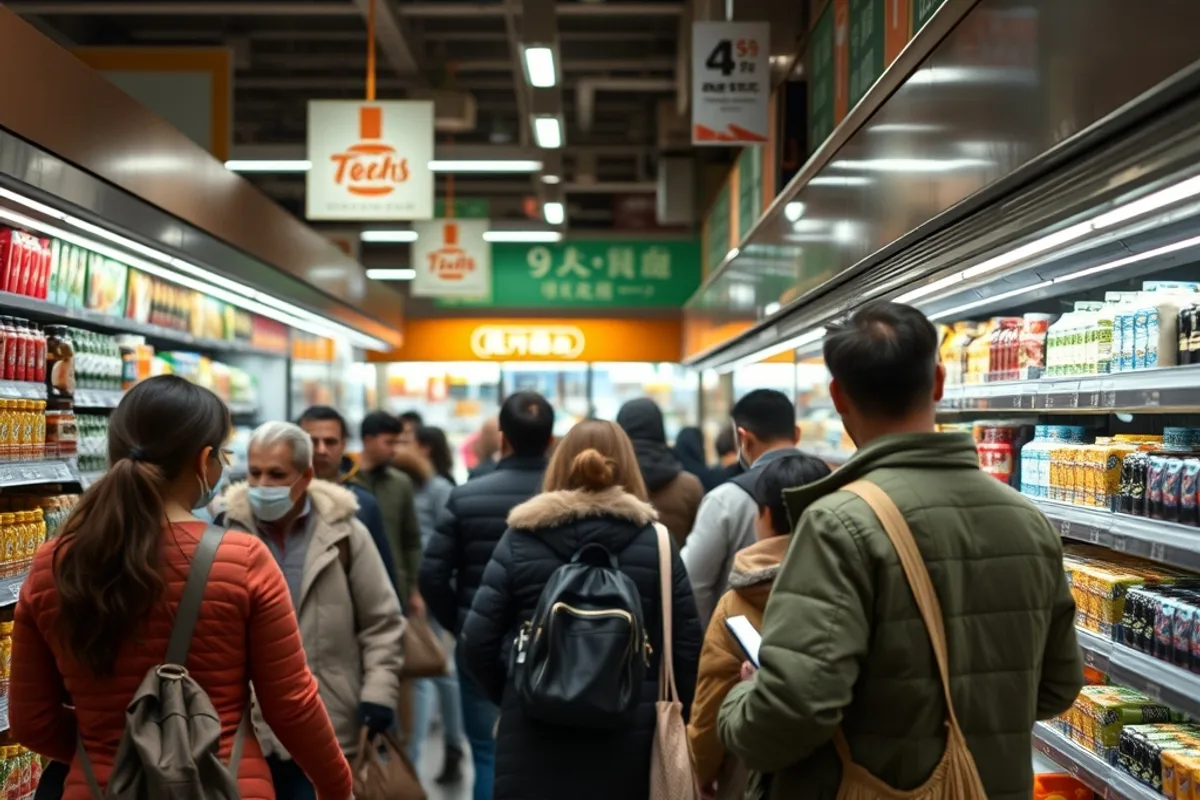
A shifting world order is usually described in terms of alliances, treaties and summits. For most households, those words are distant. The effects arrive later and closer: a higher energy bill, a loan that costs more, a product that is suddenly unavailable, a holiday that requires a different route. Understanding the transmission belt between geopolitics and the shopping basket is more useful than memorising the map of alliances.
The current period is defined by competition between large powers, a reordering of trade relationships and a growing emphasis on security over efficiency. None of these trends is new, but they are now reinforcing each other. The result is a global economy that is less predictable than the one most consumers grew up with.
How distant decisions reach your wallet
The first channel is energy. Oil and gas prices respond to conflict, sanctions and shipping risk within days. Those costs then move through transport, fertiliser, manufacturing and food. A household may never buy crude oil directly, but it pays for it many times over.
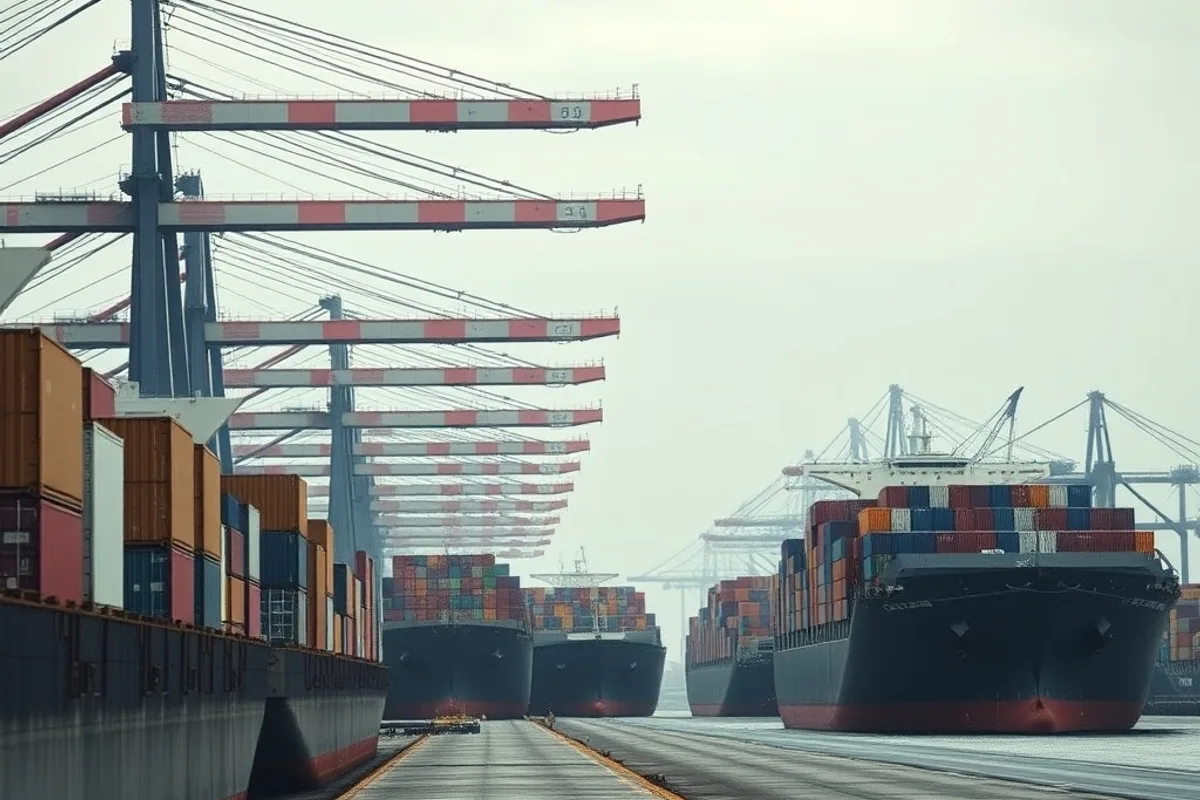
The second channel is trade. Tariffs, export controls and port disruptions raise the cost of goods or delay them. Retailers absorb some of the increase, pass some on and change suppliers for the rest. The visible result is a price change or an empty shelf; the invisible result is a supply chain rebuilt at speed.
The third channel is money. When investors become nervous, currencies move and borrowing costs rise. That affects mortgages, car loans and business investment. Central banks may respond by changing interest rates, which then affects savers and borrowers in opposite directions. The World Bank tracks how these shocks spread unevenly across income groups.

Why the effects are uneven
Not every household experiences a global shock in the same way. A family that owns its home outright and works in a stable public sector is insulated from some effects and exposed to others. A renter on a variable lease feels interest-rate changes quickly. A worker in export manufacturing may face both higher input costs and weaker demand.
Lower-income households spend a larger share of income on essentials such as food and energy, so price shocks hit them harder even when the average inflation figure looks moderate. Higher-income households can absorb volatility by cutting discretionary spending. That asymmetry explains why a national statistic can feel wrong to the people living through it.
Geography matters too. Countries with domestic energy, diversified trade partners and strong institutions can cushion shocks. Countries dependent on a single export, a single port or a single supplier have less room to manoeuvre.
The return of industrial policy
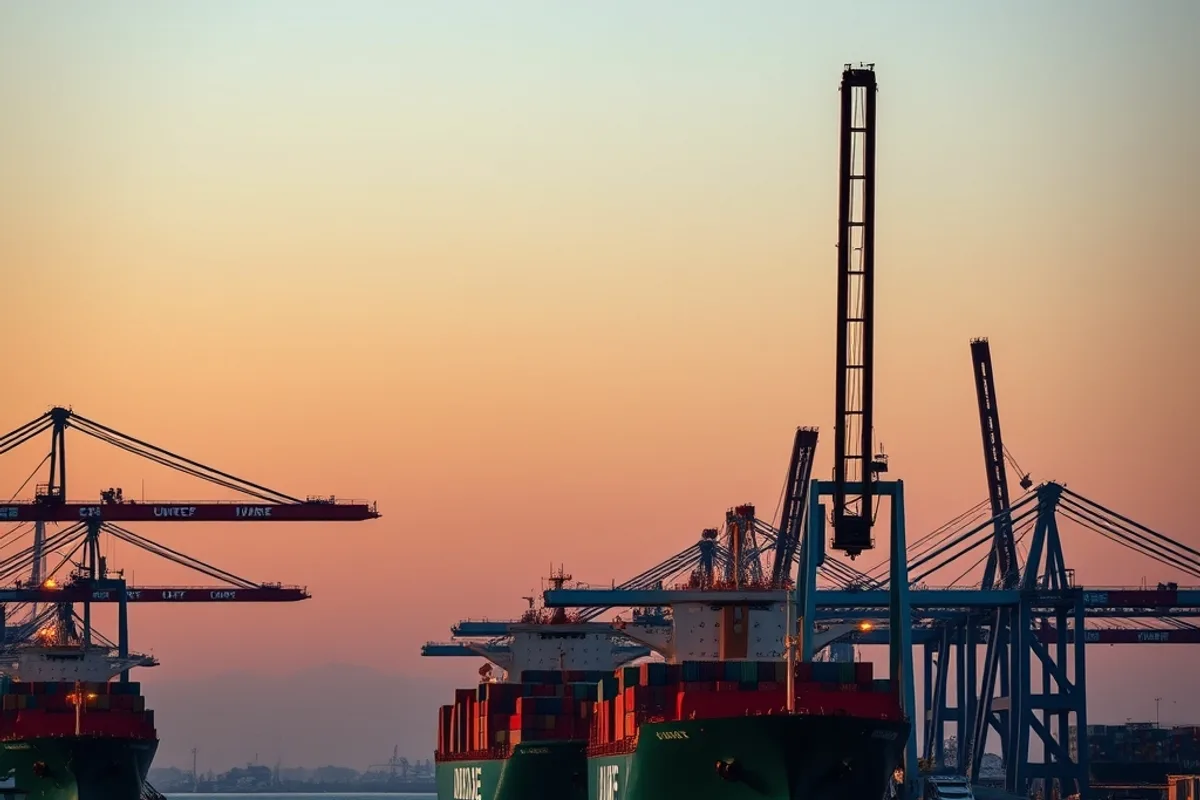
Governments are no longer content to let markets decide where strategic production happens. Subsidies, tariffs and local-content rules are being used to attract factories and protect key sectors. For consumers, this can mean higher prices in the short term and more resilient supply in the long term, though the balance is rarely stated so clearly.
It can also mean more choice in some categories and less in others. When every country wants its own battery plant, the global market fragments into regional ones. That may create local jobs but reduce the economies of scale that made products cheap.
The political temptation is to promise both security and low prices. In practice, resilience usually carries a cost. The honest question is whether the cost is worth paying, and who bears it.
What households can realistically do
No individual can hedge against a changing world order, but some practical steps reduce exposure. A small emergency fund buys time when prices jump or income dips. Fixed-rate agreements, where available, protect against sudden interest-rate moves. Buying locally produced essentials can reduce exposure to shipping shocks, though it is not always cheaper.
- Build a buffer. Three to six months of essential expenses is the standard target, even if it takes years.
- Check contract terms. Variable rates and index-linked bills transfer risk to you.
- Diversify income where possible. A household with two unrelated income sources is less fragile.
- Read the source, not the alarm. Most geopolitical headlines do not change your budget this week.
None of this requires predicting the future. It requires recognising that shocks are normal and building a little slack into your finances before they arrive.

The bigger picture
The world is not becoming less connected; it is becoming connected differently. Trade continues, but it is more conditional. Investment continues, but it is screened for security. Information flows faster than ever, which makes rumours travel as quickly as facts.
For ordinary consumers, the practical lesson is to expect more volatility and less certainty from the institutions that once smoothed it out. That is uncomfortable, but it is also manageable with better information and a modest buffer. The alternative, assuming the old stability will return on its own, is the more expensive bet.
Geopolitics is just economics with a passport. It always arrives in the household budget eventually.Chauncey Apuzzi Editorial
We cross-check every claim against primary documents and independent reporting. Where a story depends on public records or official data, we link to the source so you can verify the numbers yourself.