Care Work Is the Hidden Economy Nobody Prices Properly

Every economy runs on care. Children need looking after, older people need support, disabled people need assistance and households need someone to manage the daily work that keeps life going. Much of this labour is unpaid. Some of it is paid badly. Almost all of it is undercounted in the statistics that governments use to make decisions.
The result is a strange blind spot. Care is treated as a private responsibility until it fails, at which point it becomes a public emergency. Policymakers praise carers in speeches while funding the sector at a level that guarantees high turnover and burnout. Families absorb the gap, usually women, usually without recognition.
The scale of unpaid care
Time-use surveys consistently show that women do far more unpaid care than men. That gap shapes careers, pensions and independence. A person who leaves work to care for a relative may lose not only current income but also future earnings and retirement savings. The cost is real, even when it never appears on a balance sheet.
Unpaid care is also invisible in GDP. National accounts count paid childcare, paid nursing and paid domestic help, but not the same work when a family does it itself. That makes care look less economically important than it is. If the hours were priced at market rates, the total would be enormous in most countries.
The International Labour Organization argues that investing in care infrastructure can create jobs and support participation in the paid workforce. The logic is straightforward: if care is reliable and affordable, more people can work, and more of them can choose jobs that match their skills.

Why paid care is undervalued
Paid care work is often physically demanding, emotionally intense and poorly compensated. Childcare workers, home carers and nursing assistants frequently earn less than workers in jobs requiring similar levels of skill and responsibility. The reasons are partly historical and partly political.
Care has long been associated with women's work, and work associated with women has been systematically undervalued. It is also difficult to measure output: the quality of care is relational and slow to observe, unlike the output of a factory. That makes it easy to cut in budget negotiations, because the consequences appear later and are attributed elsewhere.
Turnover follows low pay. A carer who leaves for a better-paid job takes experience and relationships with them. Clients lose continuity, agencies spend on recruitment, and quality suffers. The savings from low wages are partly offset by the costs of churn, but those costs are spread across different budgets.
The demographic pressure
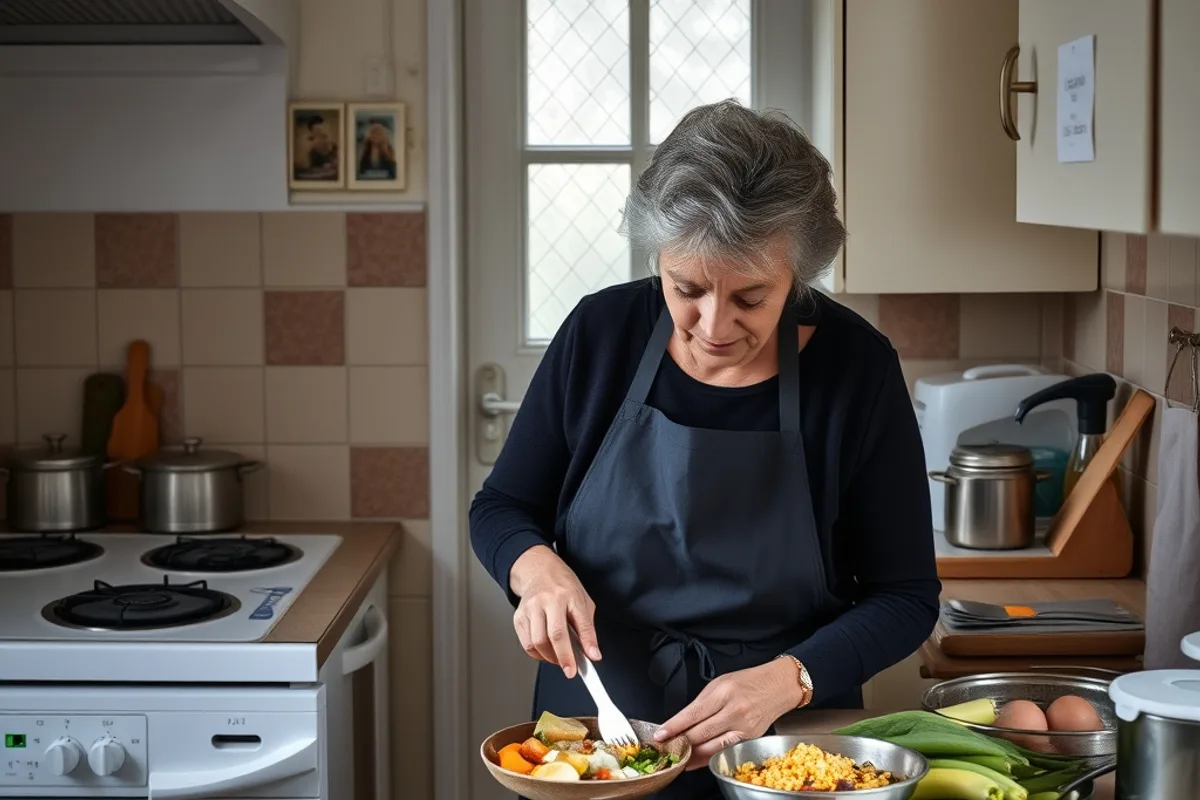
Ageing populations increase demand for care at the same time as smaller families reduce the supply of unpaid carers. A woman who might once have shared care for an elderly parent with three siblings may now be an only child, working full time and raising children of her own. The arithmetic is unforgiving.
Migration fills some gaps, but it raises its own questions. Countries that recruit care workers from abroad may ease domestic shortages while worsening them in the countries of origin. The global care chain is a real system, and it transfers the strain rather than removing it.
Technology can help with some tasks, from monitoring to scheduling, but it cannot replace human contact. The core of care is presence, attention and trust. Those are hard to automate and easy to undervalue.

Why reform stalls
Everyone agrees care matters. The disagreement starts when the bill arrives. Improving pay costs money. Expanding public provision costs money. Supporting unpaid carers costs money. The benefits are diffuse and long-term, while the costs are concentrated and immediate.
There is also a cultural obstacle. Care is framed as a family duty, and state involvement can be portrayed as intruding on private life. That framing protects the status quo and leaves families to absorb costs they cannot always bear.
Some countries have moved ahead with universal childcare, paid leave and coordinated long-term care. They are not identical, but they share a willingness to treat care as infrastructure rather than charity. The results include higher workforce participation, lower poverty among older people and fewer carers forced out of paid work.
What a better system looks like
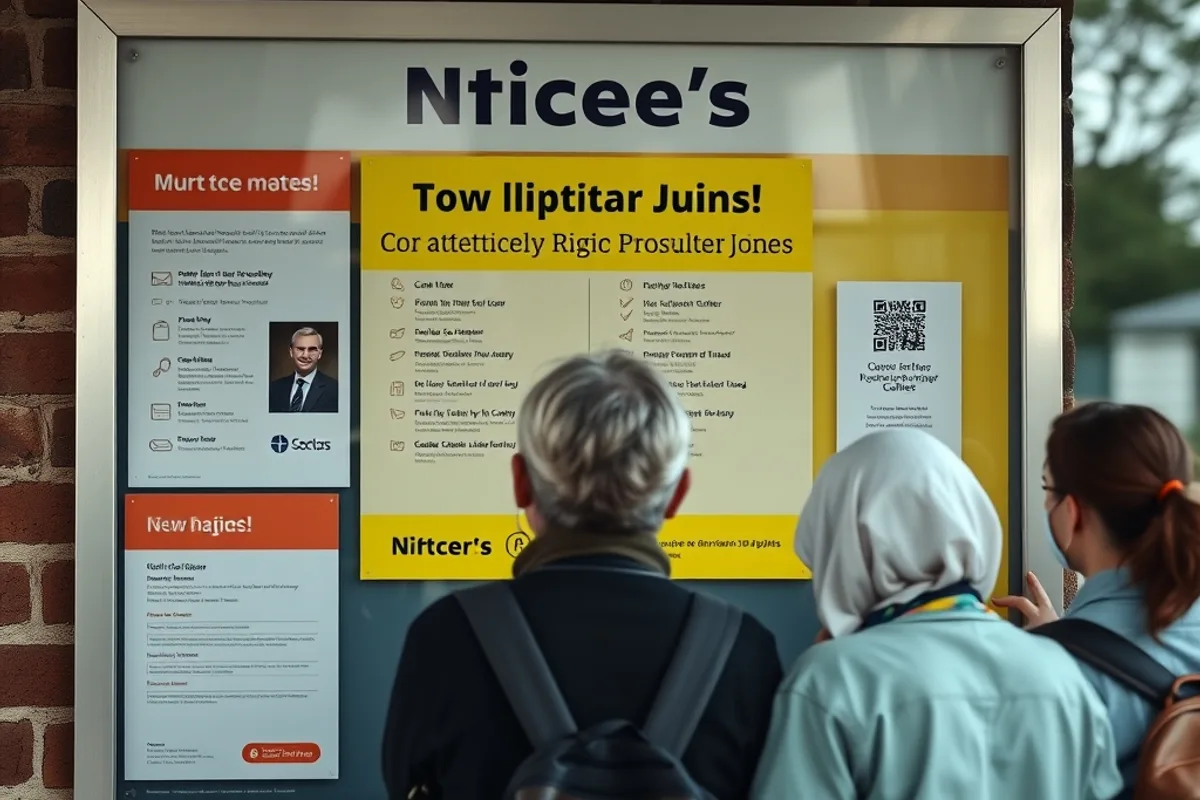
A serious care policy has several moving parts. It needs decent pay and conditions for paid carers, affordable and reliable childcare, support for unpaid carers and a clear plan for long-term care as the population ages. It also needs data, because you cannot manage what you refuse to measure.
- Count it. Include unpaid care in time-use surveys and policy analysis.
- Pay it. Raise wages and create progression routes for care workers.
- Share it. Encourage men to take leave and care responsibilities.
- Support carers. Respite, training and financial recognition for unpaid work.
- Invest early. Quality childcare pays back over a lifetime.
None of this is cheap. But the alternative, a system that relies on goodwill until it collapses, is more expensive in the long run. The costs show up as burnout, missed work, poorer health and children who do not get the start they need.
The bottom line
Care is not a side issue. It is the foundation that lets people work, learn and participate in public life. Treating it as a private burden keeps it invisible, and invisibility is why it remains underfunded.
The next time a budget debate focuses on roads and defence, it is worth asking where care appears. If it does not appear at all, the plan is incomplete. A society that cannot look after its youngest, oldest and most vulnerable members is not measuring the right things.
Care is the work that makes all other work possible, and it is the work we are least willing to pay for.Chauncey Apuzzi Editorial
We cross-check every claim against primary documents and independent reporting. Where a story depends on public records or official data, we link to the source so you can verify the numbers yourself.