The Housing Squeeze Is Reshaping How Young Adults Live

The housing squeeze is usually reported as a price story. Rents rise, house prices rise, and the numbers become a backdrop to everything else. But the more important story is behavioural. When a basic necessity consumes an ever-larger share of income, people change how they live, and those changes accumulate across a lifetime.
Young adults are at the sharp end because they are starting careers, forming relationships and deciding where to build a life. In many cities, the arithmetic no longer works the way it did for their parents. A single income rarely covers a one-bedroom flat. A deposit takes decades to save. The result is a series of compromises that are rational individually but costly collectively.
Living at home for longer
Staying with parents into the late twenties or early thirties has become normal in many places. It can be financially sensible and emotionally supportive. It can also be crowded, tense and limiting, especially for people who need space to study, work or care for others.
The effect is not evenly distributed. Young adults with wealthy families can wait in comfort or receive help with a deposit. Those without that cushion face a harder choice: pay an unsustainable rent, live in overcrowded conditions or delay independence. Housing becomes a mechanism that transfers advantage from one generation to the next.
Delayed independence also affects the wider economy. Fewer new households mean less demand for furniture, appliances and local services. It can reduce labour mobility, because people stay near a family home rather than move to where the jobs are.
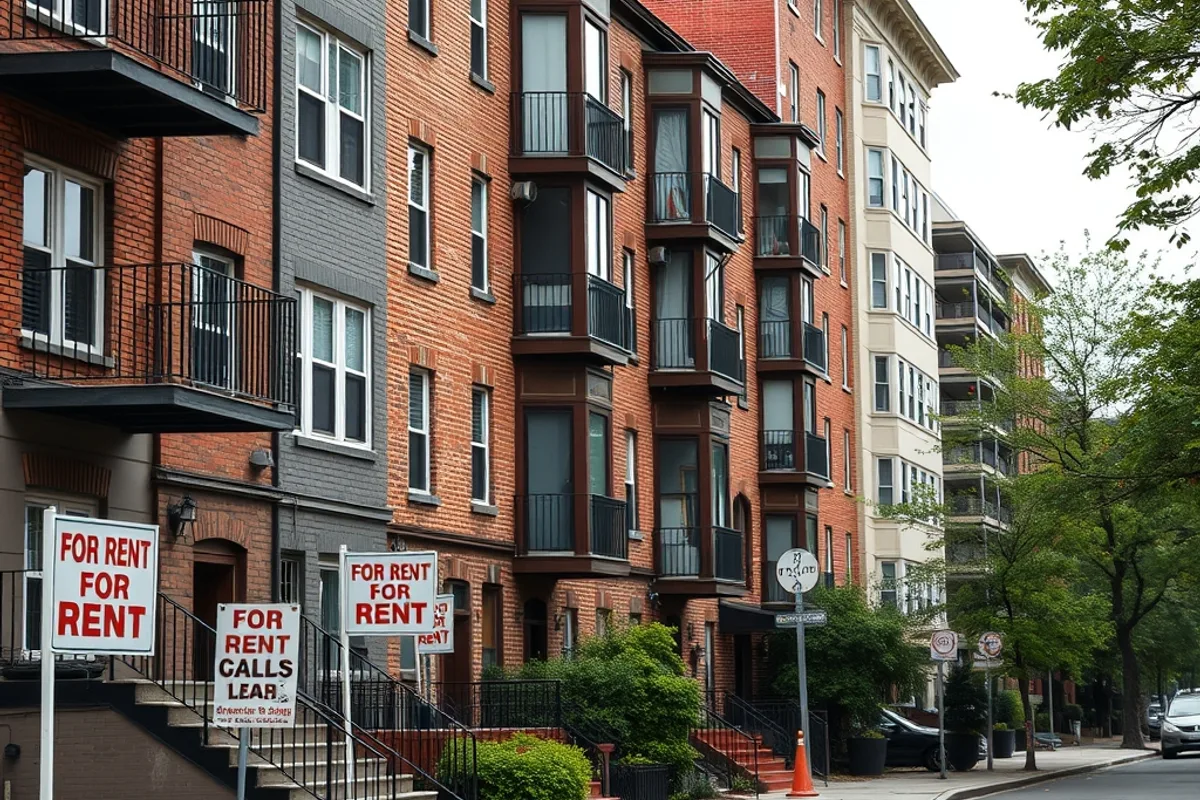
Sharing as a permanent arrangement
House-sharing was once a temporary stage. For many young workers it is now the default. A room in a shared flat can absorb forty or fifty percent of a modest salary, leaving little room for savings, emergencies or leisure. The compromise buys access to a city and a job, but it also postpones stability.
Landlords benefit from high demand and limited supply. Tenants accept conditions they would once have rejected: smaller rooms, longer commutes, insecure contracts and repairs that take months. When vacancies are rare, complaining feels risky.
The mental load is significant. Constantly negotiating shared space, moving when a lease ends and absorbing rent increases makes it harder to plan. People delay relationships, children and further study not because they lack ambition, but because the base of Maslow's pyramid keeps moving.
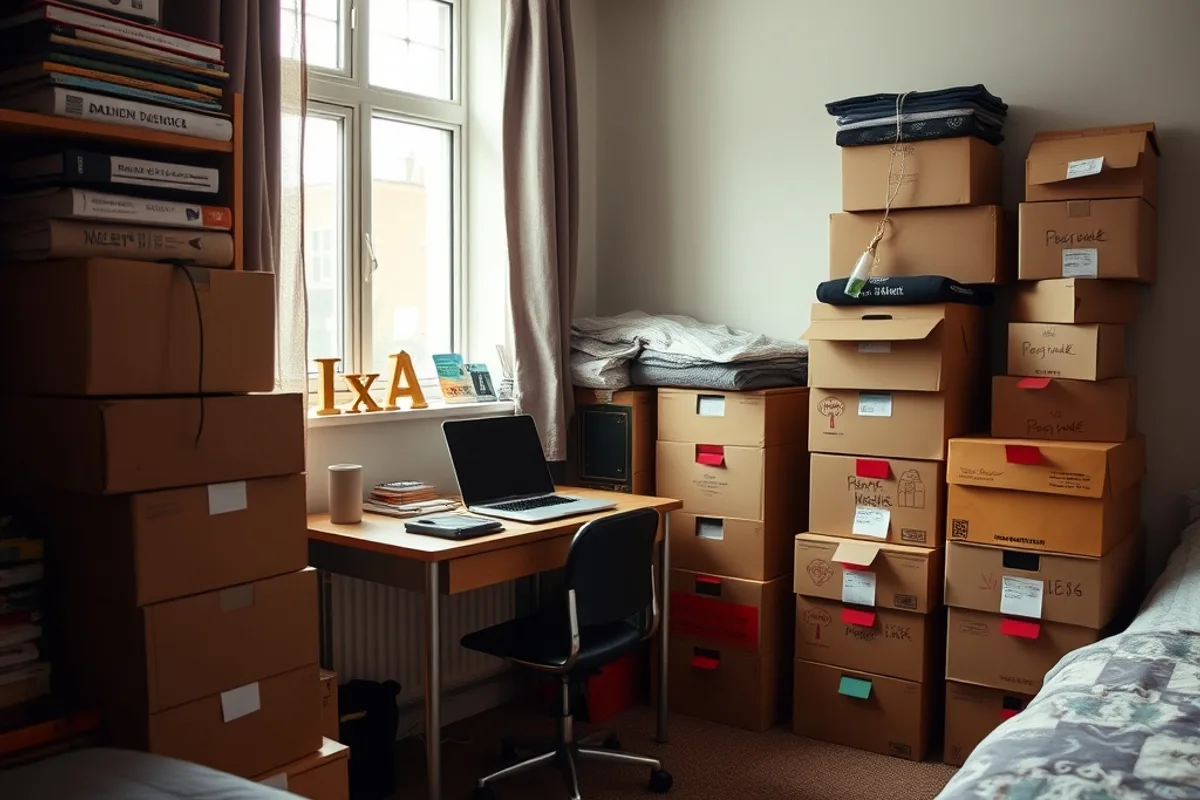
Why supply has not caught up
The causes of housing scarcity are well documented. Restrictions on building, lengthy approval processes, construction costs, land hoarding and opposition from existing residents all limit new supply. At the same time, demand has been pushed up by population growth, smaller household sizes, investment purchases and remote work that spread demand to smaller cities.
Interest rates add another layer. Cheap credit inflated prices during the low-rate era. Higher rates have cooled some markets but also raised the cost of new construction and pushed mortgage payments beyond many first-time buyers. The result is a market that is expensive to enter and expensive to build in.
Policy responses vary. Some cities have legalised denser housing and cut approval times. Others have introduced rent controls, vacant-property taxes or public housing programmes. The OECD notes that supply-side reforms tend to have the most durable effect, while demand-side subsidies can raise prices if supply does not respond.

The social cost
Housing is not just shelter. It determines access to schools, transport, healthcare and jobs. When affordable homes are scarce, key workers are pushed to the outskirts, increasing commuting costs and reducing the resilience of essential services. Cities become places where people work but cannot live.
There is also a demographic effect. People who cannot afford a stable home delay children or have fewer than they would like. That is a personal decision with public consequences, from labour supply to the funding of pensions. It is not caused by housing alone, but housing is a powerful constraint.
The political effect is equally important. When a generation feels locked out of a basic milestone, trust in institutions erodes. Promises of growth ring hollow if the gains never reach the people being asked to wait.

What could actually help
No single policy solves a housing shortage, but a combination can shift the balance. The common thread is increasing the number of homes where people want to live, and making the rental market fairer while that supply is built.
- Build more, especially in high-demand areas. Legalise modest density near transport and jobs.
- Speed up approvals. Predictable timelines reduce the cost of delay.
- Tax vacant land and empty homes. Encourage use rather than speculation.
- Protect renters. Clear contracts, minimum standards and predictable rent increases.
- Fund social housing. Some households will never be served by the private market alone.
None of these are radical in isolation. The difficulty is assembling them into a consistent programme and sustaining it long enough to change expectations.
A generation's arithmetic
Young adults are often described as impatient or entitled. The housing data suggests something simpler: they are doing the maths. When a deposit requires a decade of saving and rent consumes half of income, delaying independence is the rational choice.
The problem will not resolve itself as interest rates fall or wages rise modestly. It requires more homes, better rental rules and a willingness to accept that cities must change to remain open to the next generation. Until then, the squeeze will keep shaping lives in ways that are easy to measure and hard to reverse.
When housing costs rise faster than wages, the first thing to disappear is the future tense.Chauncey Apuzzi Editorial
We cross-check every claim against primary documents and independent reporting. Where a story depends on public records or official data, we link to the source so you can verify the numbers yourself.