Breaking News Fatigue: Why Audiences Are Tuning Out
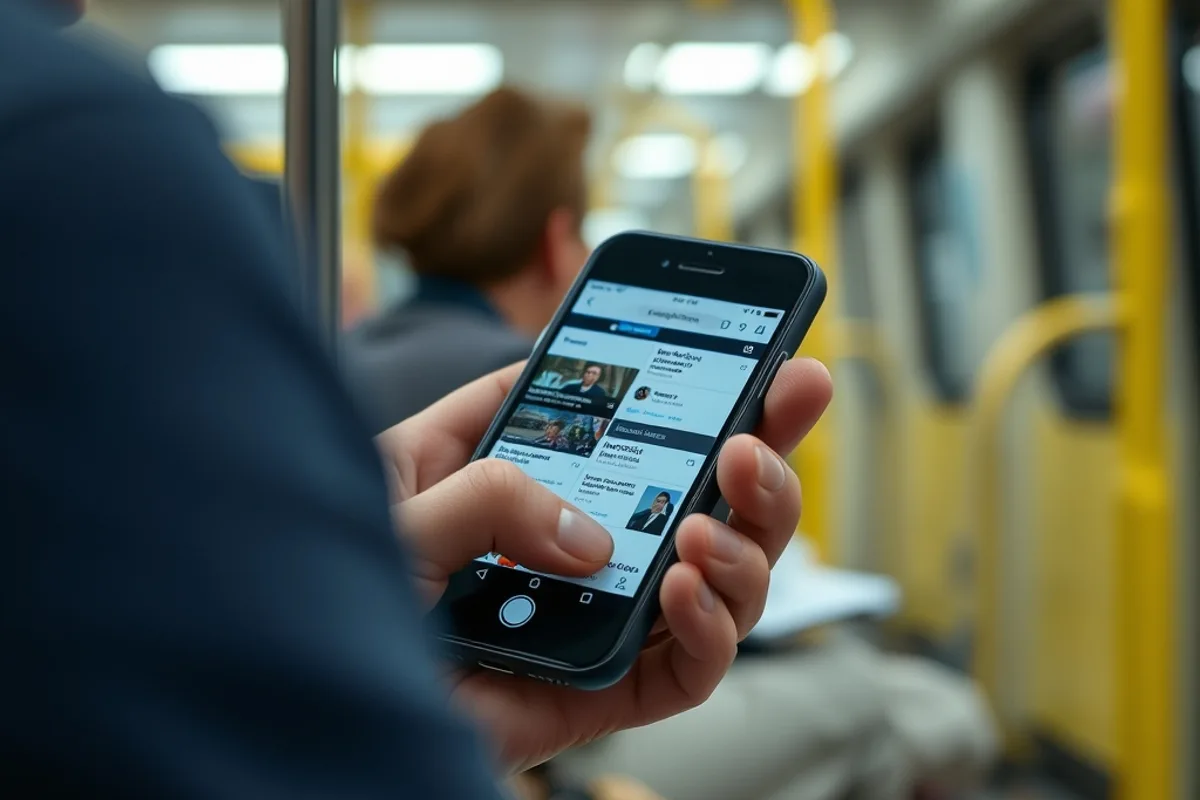
News fatigue is not the same as not caring. Many people who describe themselves as exhausted by the news still want to understand the world. What they have lost patience with is the format: a constant stream of alerts, each one framed as urgent, each one competing for attention with the last. Over time, the nervous system stops responding, and the scroll becomes a habit rather than an act of learning.
The pattern is visible in audience research. Trust in news is under pressure, avoidance is rising, and younger readers increasingly get information from social platforms where context is thin. Newsrooms know this, but the business model rewards exactly the behaviour that drives people away.
How the alert economy works
Digital news is funded largely by attention. Page views, app opens, notifications and watch time translate into advertising or subscription value. Breaking news is the most reliable way to produce a spike in all four. So organisations send alerts for stories that are important, stories that are merely new and stories that are likely to be clicked, whether or not they are resolved.
The result is a treadmill. A single event produces dozens of updates, most of which add little. The audience learns that an alert does not necessarily mean something has changed. Once that lesson is learned, alerts lose their power, and the newsroom sends more of them to compensate.
The Reuters Institute has tracked rising news avoidance across several countries, often linked to the feeling that coverage is repetitive and emotionally draining. The research does not suggest people want less information. It suggests they want information that feels proportionate and useful.

Repetition without resolution
A second problem is the unresolved story. A crisis begins, coverage peaks, and then the news moves on before the outcome is known. Audiences are left with a permanent sense of emergency and no sense of progress. Over time, that erodes the belief that paying attention makes a difference.
This is partly a structural issue. Newsrooms have limited resources and must cover what is new. Investigations and follow-ups are expensive. But the gap between the number of problems raised and the number of outcomes reported is a real source of fatigue. Readers remember what was promised and notice when it disappears.
The fix is not to cover fewer things. It is to return to stories when something changes: when a policy is implemented, a trial concludes, a promise is broken or a number is revised. Follow-through is cheap compared with breaking coverage, and it builds the kind of trust that keeps readers coming back.

The emotional cost
Much of the news is genuinely distressing. Conflict, disaster, crime and political failure dominate because they are important and because they attract attention. But a diet of distress without context or agency is exhausting. Readers can end up feeling both overwhelmed and powerless.
Constructive reporting does not mean ignoring problems. It means adding the part that explains what is being done, what has worked elsewhere and what a reader can realistically do. That does not solve the problem, but it restores a sense of proportion.
There is also a design problem. Autoplay videos, endless feeds and push notifications are engineered for compulsion, not comprehension. A news product that respects the reader looks different: clear headlines, fewer alerts, a visible end to a story and a way to catch up without scrolling for an hour.

What newsrooms can change
Some publishers are already experimenting. They are cutting the number of push alerts, labelling analysis separately from reporting, adding "what we know" summaries and publishing follow-ups. The early results suggest that audiences respond well to restraint when it is combined with clarity.
- Send fewer alerts. Reserve them for genuine changes, not every update.
- Show the status. Tell readers what is known, what is disputed and what is unresolved.
- Follow up. Return to stories when outcomes become clear.
- Explain the stakes. Help readers understand why a story matters beyond the headline.
- Respect attention. Design for comprehension, not compulsion.
None of this is easy when budgets are tight and competitors are louder. But the alternative is a race toward exhaustion in which everyone loses: audiences disengage, trust falls and the journalism that democracy depends on becomes background noise.

What readers can do
Readers are not passive victims of the alert economy. Simple changes help. Turn off non-essential notifications. Choose a small number of sources you trust and check them at set times rather than continuously. Follow a story to its conclusion instead of sampling the first day of coverage. Pay for at least one outlet if you can, because good reporting is expensive.
It also helps to separate the different kinds of news you consume. Alerts are for genuine emergencies. Analysis is for understanding. Features are for depth. When everything is delivered in the same urgent tone, the categories collapse and fatigue sets in.
News fatigue is not a failure of attention. It is a rational response to a product that demands too much and delivers too little resolution. Fixing it requires newsrooms to change their incentives and readers to reclaim their attention. Both are possible, and neither is happening fast enough.
The news cannot be on fire every hour. If it is, people eventually stop believing the smoke.Chauncey Apuzzi Editorial
We cross-check every claim against primary documents and independent reporting. Where a story depends on public records or official data, we link to the source so you can verify the numbers yourself.