Public Affairs
Budgets, institutions and the decisions that shape daily public life.
Chauncey Apuzzi groups its public affairs coverage into one place so you can find what matters without scrolling past noise. Budgets, institutions and the decisions that shape daily public life. We keep the language plain: what happened, why it matters, and who is affected. Every article ends with a clear takeaway instead of a shrug.
Everything here is independent. We are not paid to push a position, we do not run sponsored coverage, and when we lean on official data we link to it so you can check the numbers yourself. If two explanations are plausible, we say so rather than inventing certainty to sound decisive. Start with our home page, or jump to another topic such as Global Trends.
How we report public affairs
Our writers start with primary documents: budgets, filings, court records and official statements. We speak to people affected by the decision, not only the people announcing it. Before publishing we cross-check dates, figures and claims against at least one independent source, and anything uncertain is labelled as such. When we get something wrong we correct it in public, because trust matters more to us than looking clever.
We cross-check every claim against primary documents and independent reporting. Where a story depends on public records or official data, we link to the source so you can verify the numbers yourself.
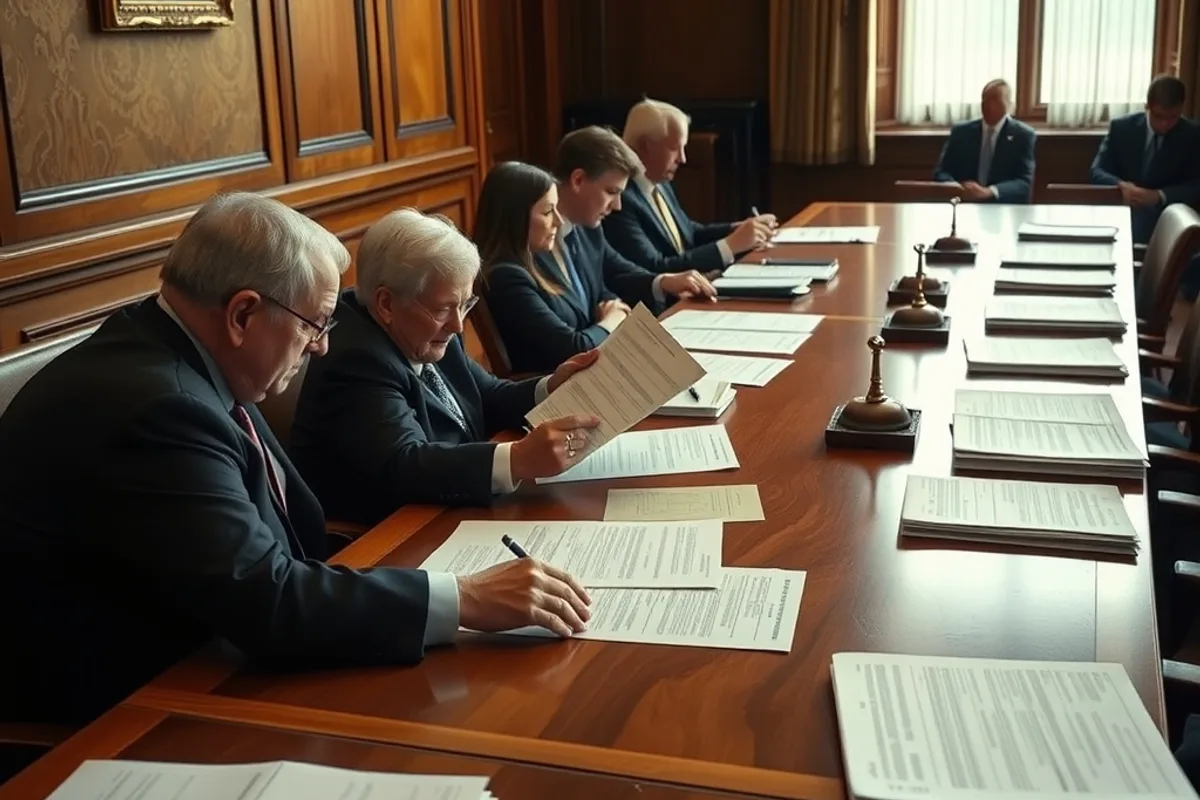
Our public affairs coverage is written for readers, not press releases. Every budget is a list of choices. We follow the money from tax receipts to hospital wards, road repairs and the quiet line items that decide who gets helped first. A plain-English walk through the 2026 public budget: where the money comes from, what it pays for, and which promises are easier to announce than to fund. National politics gets the cameras, but the decisions that change a street usually happen in a half-empty council chamber on a Tuesday night. Local councils decide housing approvals, bus routes, school places and waste contracts. We explain why the least-watched meetings matter most to daily life.