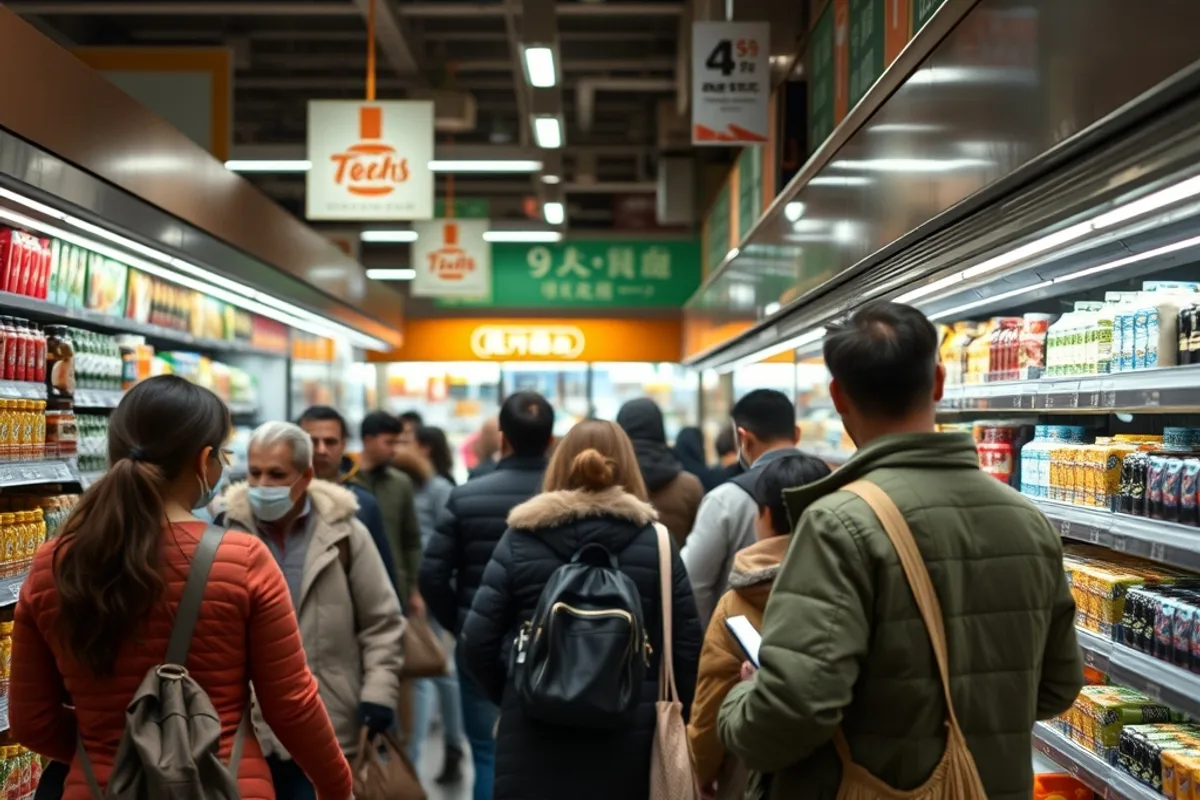
The Quiet Renationalisation of Global Supply Chains
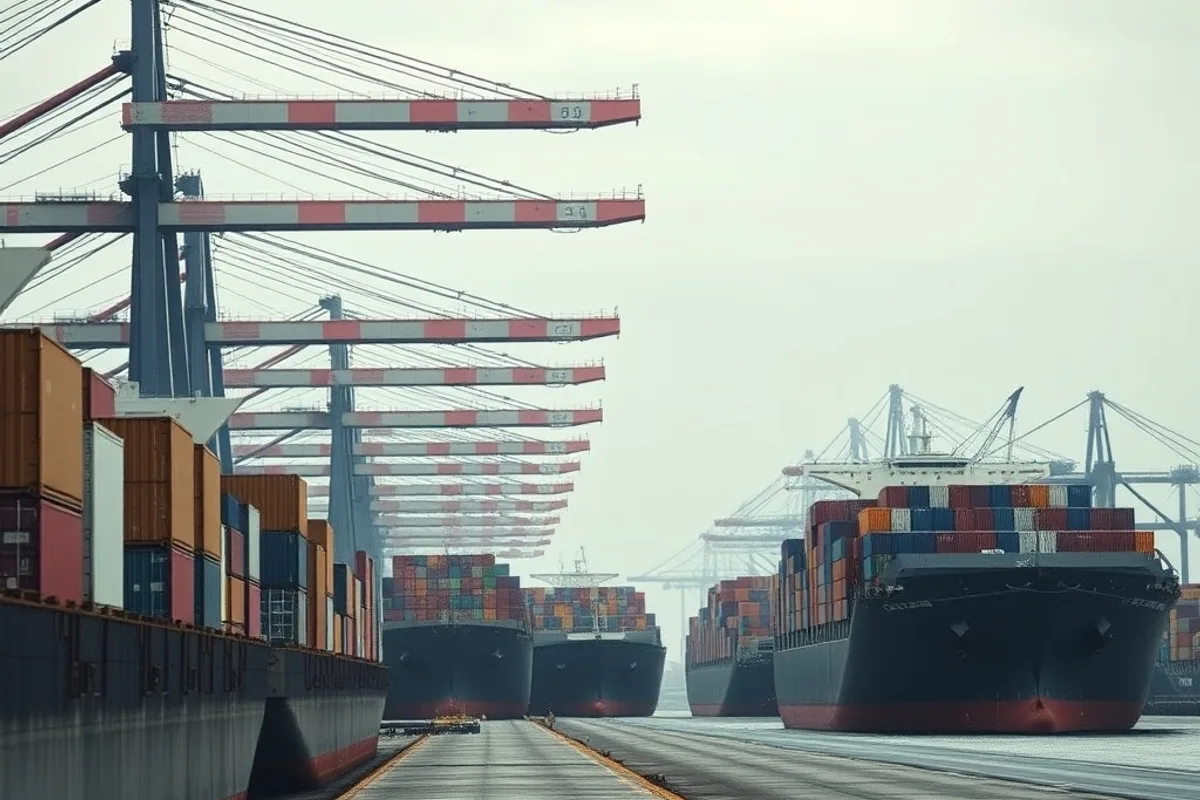
For three decades the dominant logic of global trade was simple: make each component wherever it is cheapest, ship it across borders, and keep inventories lean. That logic delivered cheaper goods and enormous efficiency. It also concentrated production in a small number of places, and the pandemic, shipping disruptions and geopolitical tension exposed how quickly a lean chain can become a fragile one.
The response has a clumsy name: renationalisation, or friend-shoring, or de-risking. The labels differ but the direction is similar. Governments are paying companies to build closer to home or inside allied countries, tightening rules on foreign investment, and treating certain supply chains as strategic infrastructure rather than ordinary commerce.
From efficiency to resilience
The shift is easiest to see in semiconductors, batteries, medicines and critical minerals. These are products where a shortage can stop factories, empty pharmacies or stall a military programme. Governments have decided that relying on a single region for such inputs is a risk they are no longer willing to accept.
That decision has consequences. Building a factory closer to the customer is usually more expensive than importing from a specialised cluster. Duplicating capacity means paying for redundancy. Subsidies can reduce the price for a while, but the money comes from taxpayers and must be raised or borrowed elsewhere.
The World Trade Organization has warned that broad industrial subsidies can distort competition and favour large economies that can afford them. Smaller countries face a difficult choice: match the subsidies they cannot afford, or accept that investment flows elsewhere.
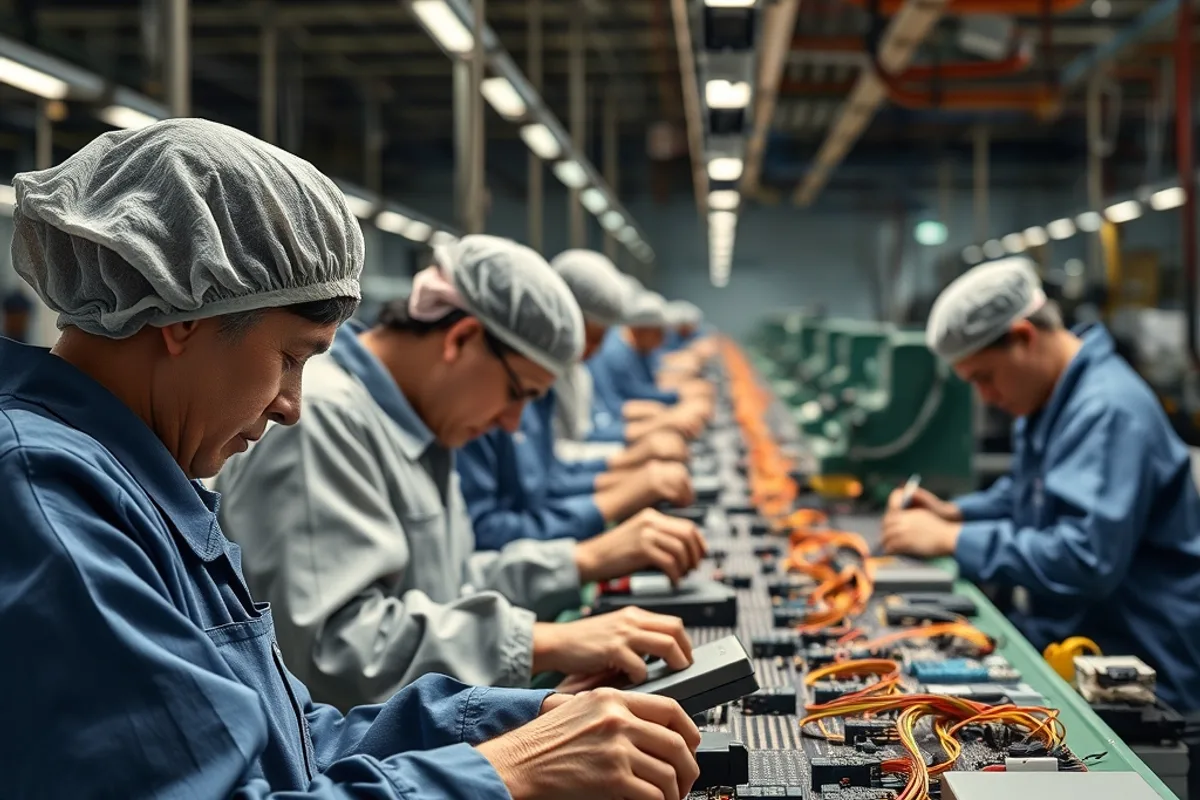
What is actually changing
Three changes matter for ordinary consumers. First, some goods will cost more than they would have under pure cost-minimisation. Electronics, electric vehicles and medicines are likely candidates because they depend on complex cross-border inputs. Second, the range of products may narrow as companies simplify supply chains and focus on fewer variants.
Third, delivery times may become more predictable even as prices rise. A shorter chain is less exposed to a distant port closure or a single factory fire. For manufacturers, predictability can be worth more than the lowest unit cost, because a delayed component can shut a whole assembly line.
The change is uneven. Commodities still move globally, and few countries can onshore everything. The realistic outcome is not autarky but a patchwork: strategic goods produced closer to home, ordinary goods traded much as before, and a thicker layer of rules around both.
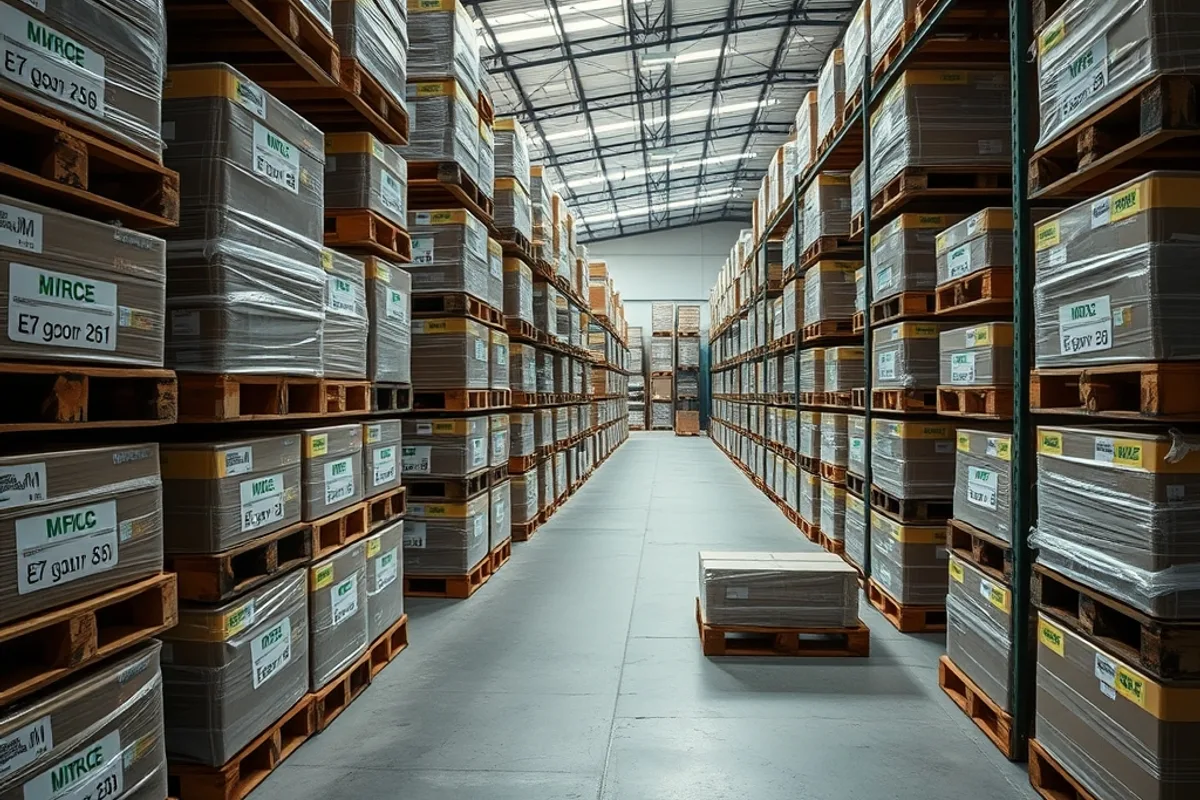
The subsidy question
Industrial policy has returned, and with it an old debate. Supporters argue that strategic industries need public backing because the market underinvests in resilience. Critics argue that subsidies pick winners badly, entrench incumbents and invite retaliation.
Both points have evidence behind them. Taiwan's chip cluster and South Korea's battery industry show that sustained public support can build genuine capability. History also offers plenty of expensive failures, from factories that never reached scale to plants that closed once the grant ran out.
The difference usually comes down to conditions. Subsidies work better when they are tied to milestones, capped in time and paired with skills investment. They work worse when they become permanent operating support for companies that would not survive otherwise.
- Time limits force a project to become competitive rather than dependent.
- Skills funding prevents a new plant from poaching workers from existing firms.
- Transparency makes it possible to judge whether the money achieved anything.

Who pays, and who benefits
Consumers pay through higher prices, though the effect is gradual and hard to see in any single receipt. Taxpayers pay through subsidies and the borrowing that funds them. Workers in protected industries may gain stable jobs, while workers in import-dependent sectors may lose out as costs rise.
There are also geopolitical costs. Subsidy races between large economies can leave smaller trading partners squeezed. Export controls and investment screening can turn commercial relationships into bargaining chips. Once supply chains are treated as weapons, every country has an incentive to build its own insurance.
That does not make the policy wrong. It makes it a trade-off that should be stated honestly. A government that promises resilience without acknowledging higher costs is selling a free lunch that does not exist.
What to watch next
Watch three indicators. The first is the gap between announced investment and factories actually producing. Announcements are cheap; commissioning a plant is not. The second is the price of strategic goods relative to ordinary goods. A widening gap suggests resilience is costing more than advertised. The third is whether smaller economies band together to negotiate common rules, or drift into bilateral deals with larger powers.
The era of hyper-efficient globalisation is not over, but it has been renegotiated. Companies now plan for disruption as a normal cost of doing business, and governments treat certain supply chains as public infrastructure. The result will be a world that is somewhat less cheap, somewhat less fragile and considerably more political.
Efficiency asked where a thing is cheapest. Resilience asks what happens if that place is no longer available.Chauncey Apuzzi Editorial
We cross-check every claim against primary documents and independent reporting. Where a story depends on public records or official data, we link to the source so you can verify the numbers yourself.