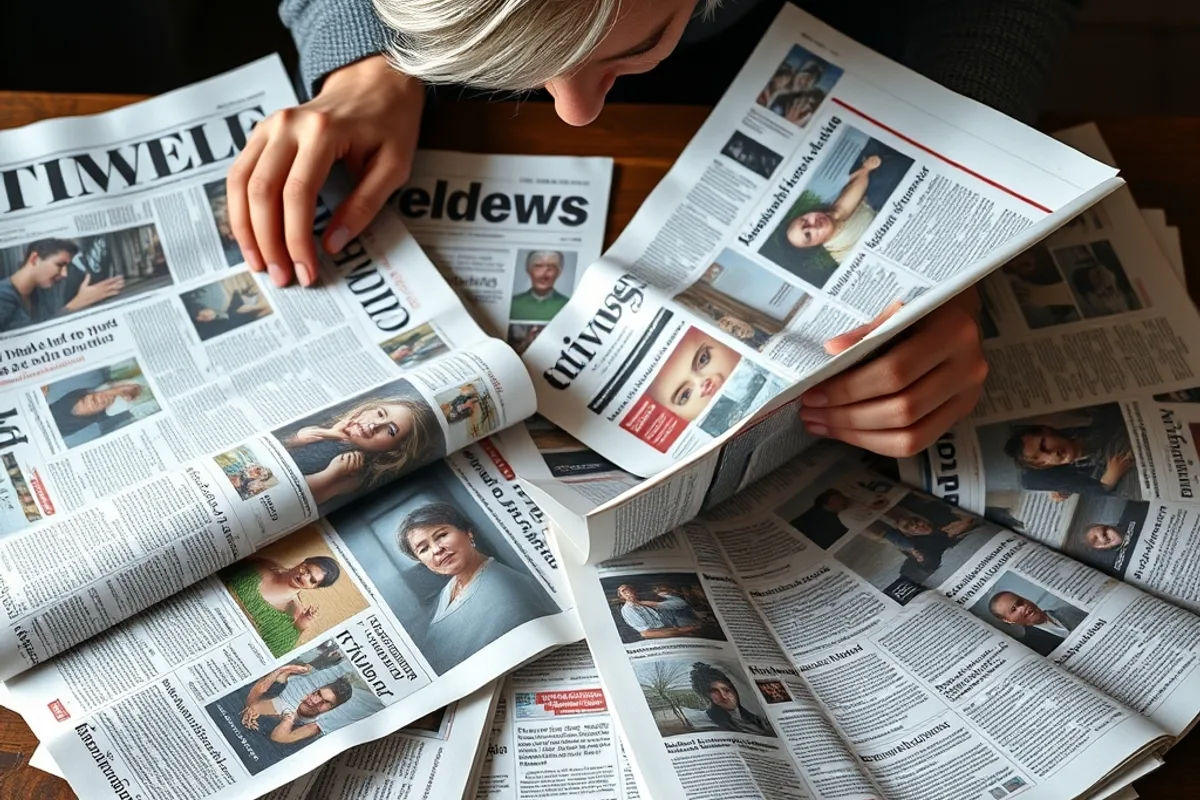
Media Coverage
How news is made, framed and consumed, and how to read it more clearly.
Chauncey Apuzzi groups its media coverage coverage into one place so you can find what matters without scrolling past noise. How news is made, framed and consumed, and how to read it more clearly. We keep the language plain: what happened, why it matters, and who is affected. Every article ends with a clear takeaway instead of a shrug.
Everything here is independent. We are not paid to push a position, we do not run sponsored coverage, and when we lean on official data we link to it so you can check the numbers yourself. If two explanations are plausible, we say so rather than inventing certainty to sound decisive. Start with our home page, or jump to another topic such as Global Trends.
How we report media coverage
Our writers start with primary documents: budgets, filings, court records and official statements. We speak to people affected by the decision, not only the people announcing it. Before publishing we cross-check dates, figures and claims against at least one independent source, and anything uncertain is labelled as such. When we get something wrong we correct it in public, because trust matters more to us than looking clever.
We cross-check every claim against primary documents and independent reporting. Where a story depends on public records or official data, we link to the source so you can verify the numbers yourself.
Our media coverage coverage is written for readers, not press releases. When everything is urgent, nothing is. Audiences are stepping back from the alert cycle, and newsrooms are struggling to win them back. Constant alerts, repeated headlines and unresolved crises are driving news fatigue. We examine the research, incentives and what better coverage looks like. Headlines are written under pressure and read in a hurry. A few simple questions can tell you whether a story deserves your time. A headline is a compressed argument, not a neutral summary. Learn to spot framing, missing context, false balance and the questions that reveal a weak story.