Why Council Meetings Still Shape More Than National News
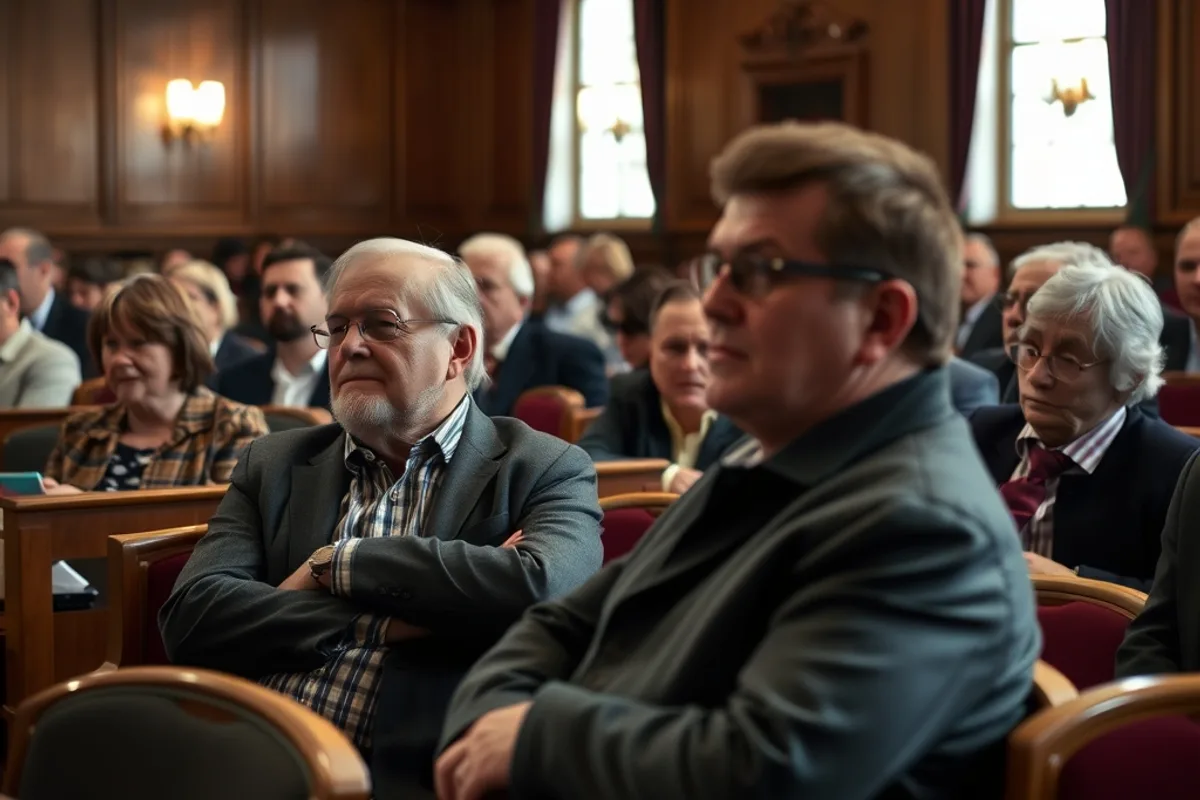
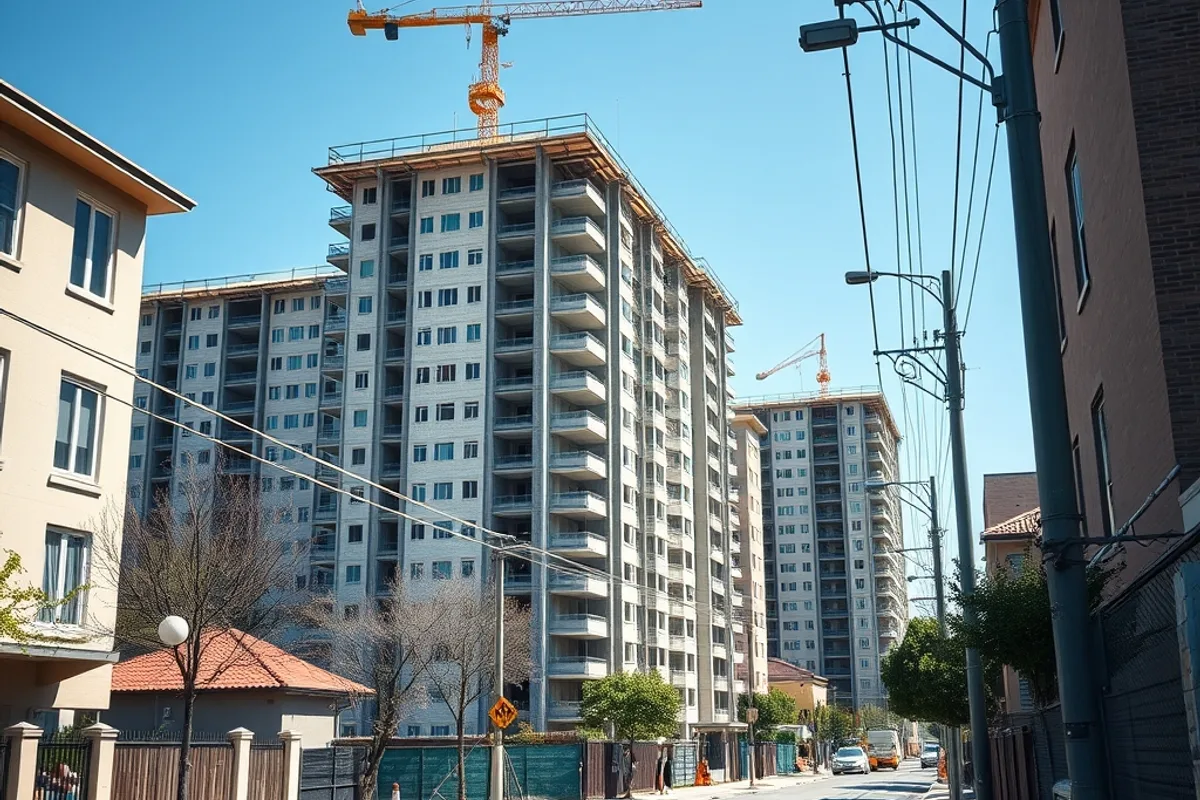
Ask most people where power lives and they will point at a parliament, a president or a prime minister. Ask them what changed on their street in the last two years and the answer is more likely to involve a council: a block of flats approved, a bus route cut, a school expanded, a market licence granted. The decisions that shape daily life are often made in rooms with bad lighting and empty seats.
This is not a romantic argument for localism. Councils have real flaws, including low turnout, uneven expertise and budgets set elsewhere. But ignoring them leaves a gap in how people understand their own environment. National news explains the weather. Council decisions explain whether the roof leaks.
The agenda is the story
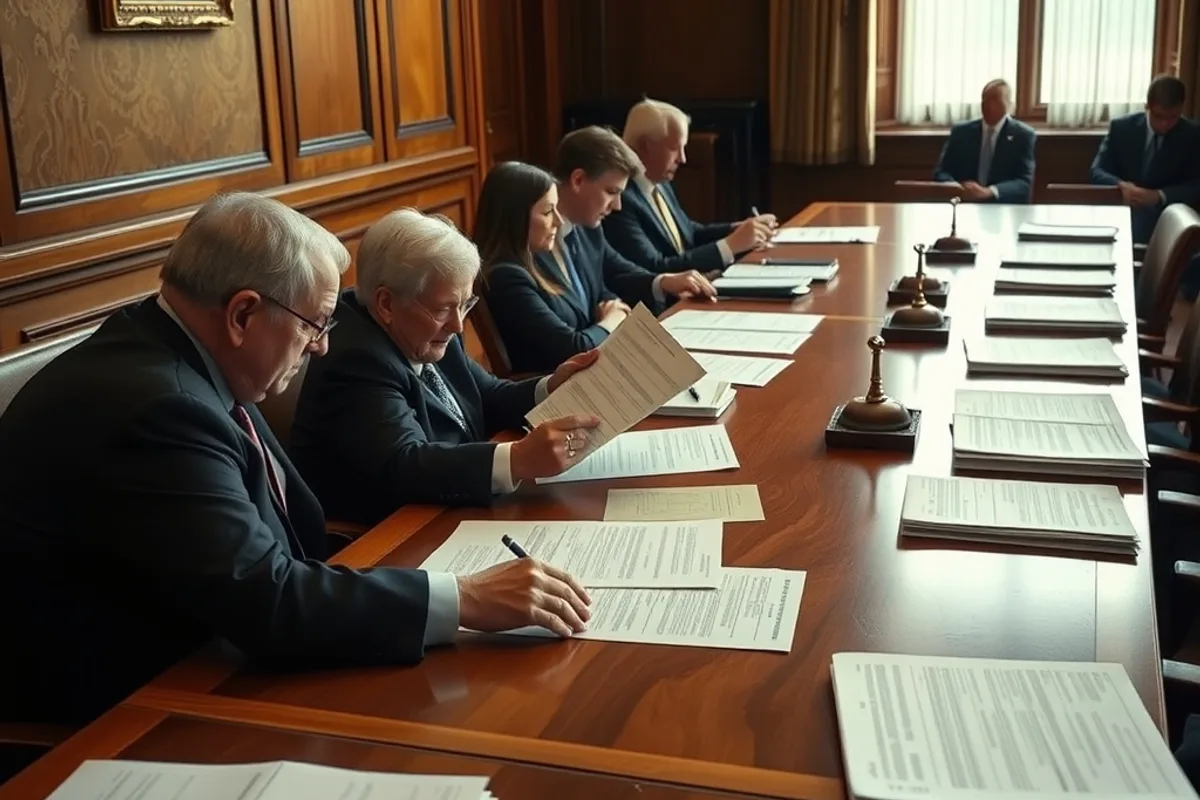
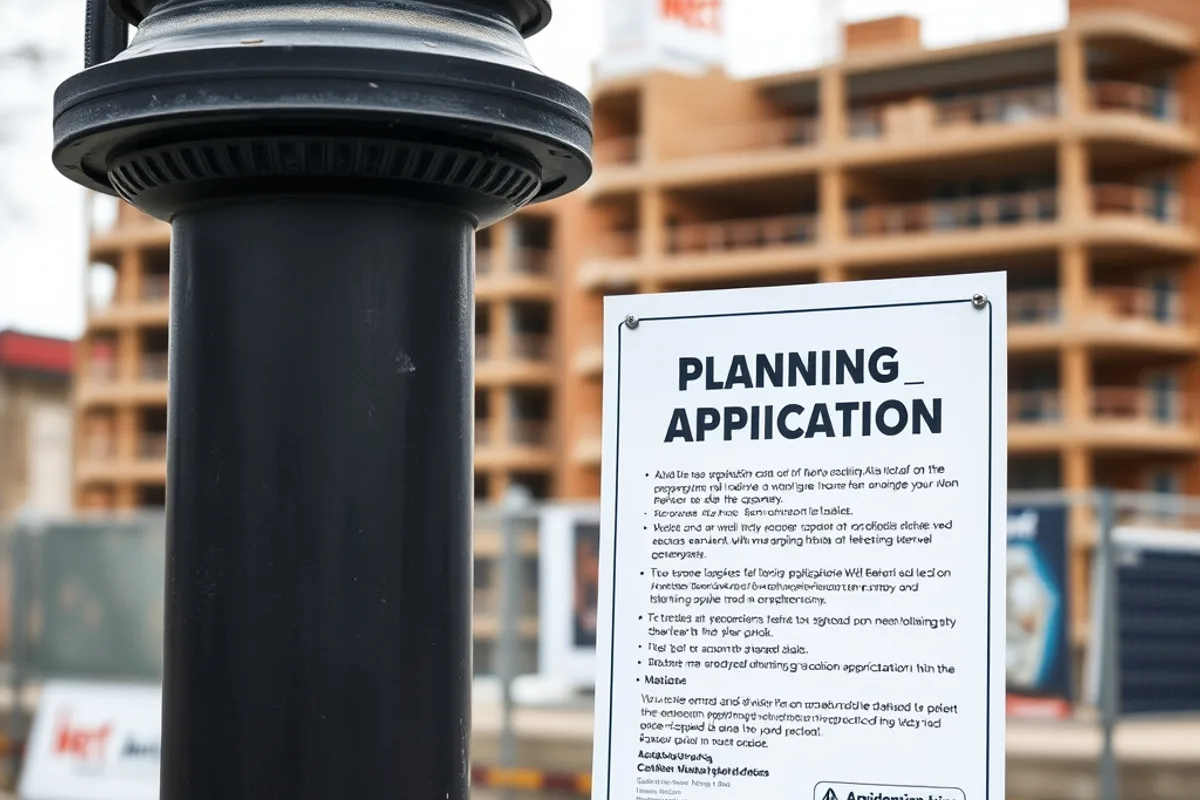
Council meetings publish agendas in advance, and those documents are more useful than most political commentary. Planning applications show what is being built and where. Licensing items reveal late-night venues, taxi rules and street trading. Highways reports list the roads scheduled for repair. Housing reports show waiting lists and temporary accommodation costs.
The ritual of the meeting can be tedious, but the paperwork is concrete. A planning committee does not debate ideology for three hours; it argues about parking, drainage, daylight and whether a development fits the local plan. Those details determine whether a neighbourhood absorbs new homes well or badly.
Residents who submit comments in writing before the deadline often have more influence than those who speak at the meeting itself. Officers summarise the comments, and councillors read them. A short, specific letter about drainage or traffic is more persuasive than a long speech about change in general.
Why turnout is so low
Local elections often attract turnout below forty percent, and some by-elections fall far lower. The reasons are familiar: meetings happen on weekday evenings, decisions feel predetermined, and the link between a vote and a visible outcome is slow. People also move more often than they used to, so attachment to a place is thinner.
Yet the same residents who skip the ballot box will fight a planning application with remarkable energy. That suggests the problem is not apathy but signal. National politics is loud and constant. Local politics is quiet and procedural, and it rarely explains itself well. When a council communicates badly, the cost is a public that only engages after a decision has already been made.
Some authorities are experimenting with earlier consultation, online comments and clearer summaries. The results are mixed, but the direction is right. A decision is easier to accept when people understand the trade-off, even if they disagree with it.
The budget is set elsewhere, but spent here
Councils receive much of their money from national government and raise the rest through local taxes and fees. That means the biggest arguments often happen at national level, while the most visible consequences appear locally. A national funding squeeze shows up as a closed leisure centre, a reduced bin collection or a longer wait for a care assessment.
This creates a accountability problem. Voters punish councils for decisions that were effectively made by a formula in a distant capital. Councils, in turn, blame national government. Both can be true, and both can be used as an excuse. The useful question is what the council chose to protect with the money it did have.
Look at the discretionary budget: libraries, parks, youth services, grants to voluntary groups. These are the lines where local priorities become visible. Two councils with similar budgets can produce very different outcomes depending on what they decide to defend.
How to follow your council without burning out
You do not need to attend every meeting. Pick one topic you care about and follow its committee. Read the officer's report rather than the press release. The report usually explains the constraint, the options and the recommendation, and it is written before the political spin is added.
- Find the calendar. Most councils publish meeting dates, agendas and minutes online.
- Search by address. Planning portals let you track applications near your home.
- Read the minutes, not just the headlines. Votes and amendments show what actually changed.
- Write early. Consultation deadlines matter more than dramatic speeches.
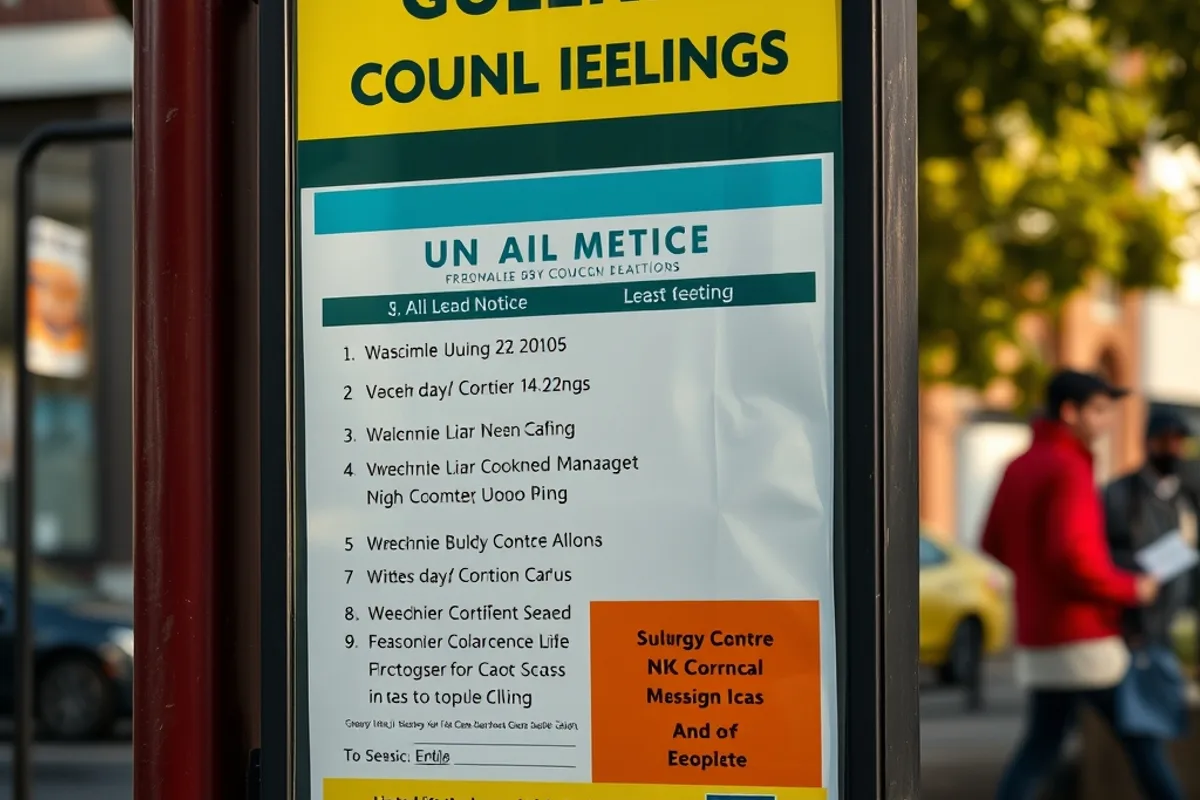
Local reporting is expensive and increasingly scarce, which makes citizen attention more important than it used to be. A handful of residents who understand the process can change a decision. A street that never reads the agenda usually finds out too late.
Why this matters beyond one street
Local government is where abstract policy becomes physical. National targets for housing, climate adaptation or social care either survive contact with a planning committee or they do not. Watching that contact is the best way to understand whether a promise is real.
It is also a training ground for democracy. People who learn to read a council report, speak at a committee and organise neighbours are doing the work that national politics claims to value. The meetings may be quiet, but the consequences are not.
For official guidance, see UN resources on local governance.
By the time a decision reaches the national news, the street has usually already changed.Chauncey Apuzzi Editorial
We cross-check every claim against primary documents and independent reporting. Where a story depends on public records or official data, we link to the source so you can verify the numbers yourself.