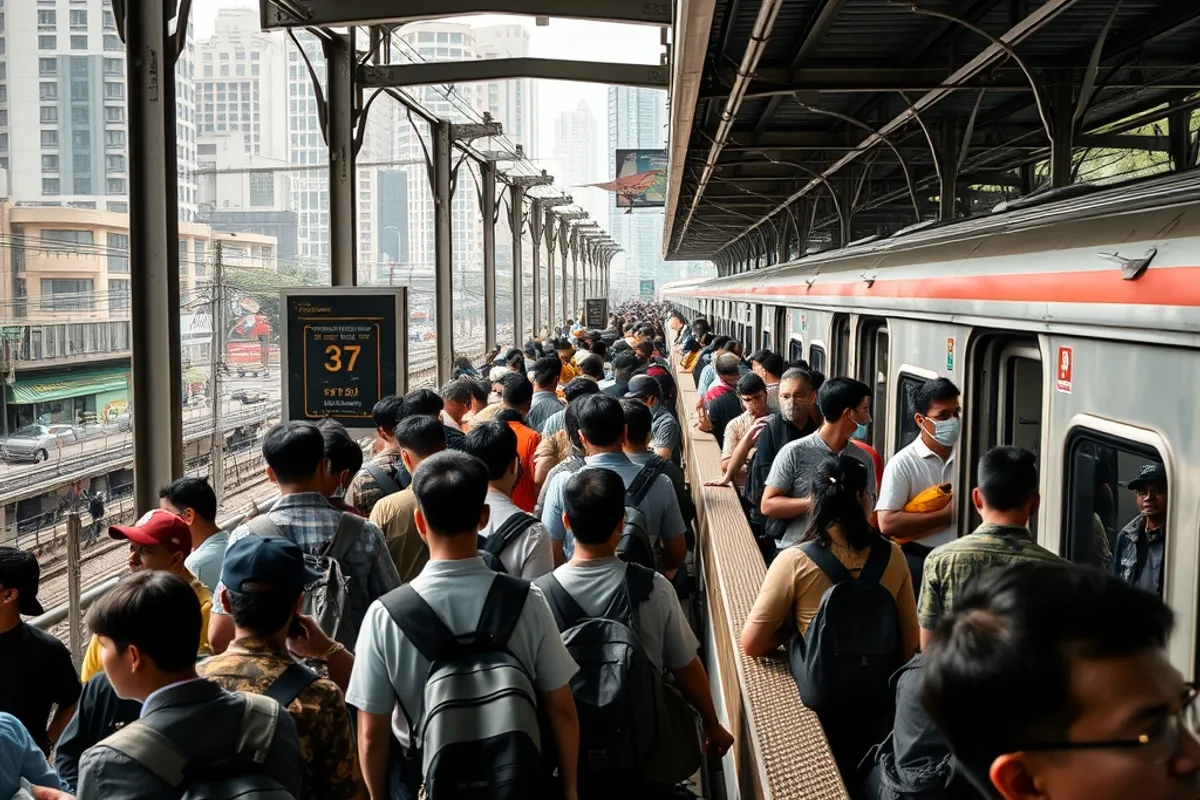
Water, Power and Politics: Infrastructure Under Strain
Infrastructure is easiest to appreciate when it stops working. A tap that runs dry, a grid that browns out during a heatwave, a street that floods after twenty minutes of rain: these are not abstract policy failures. They are immediate, physical and often expensive. The uncomfortable truth is that most failures are predictable, and most are the result of maintenance postponed one year too many.
Across many regions, the pattern is similar. Demand has grown, assets have aged, and budgets have prioritised new projects over upkeep. The result is a system running closer to its limit than the public realises, held together by repair crews who respond to emergencies rather than prevent them.
Water: the invisible network
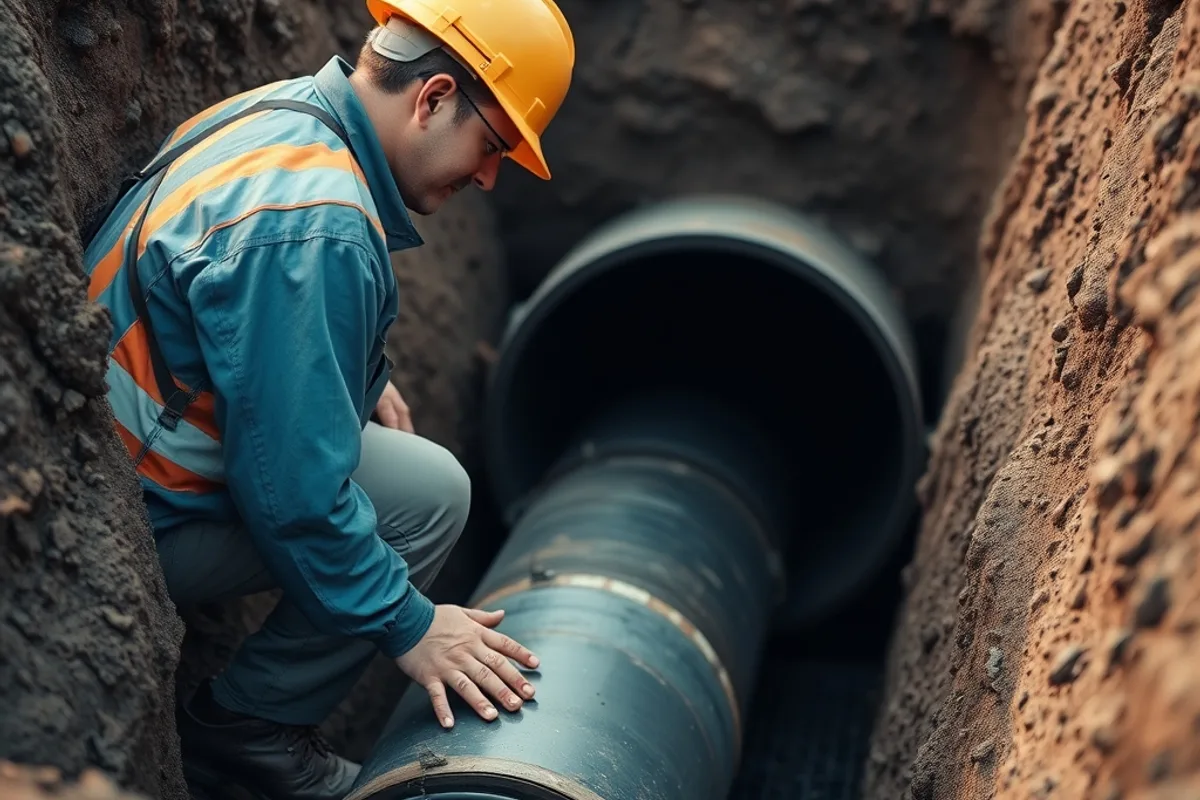
Most water infrastructure is underground, which means it is out of sight and out of mind. Pipes laid decades ago corrode, crack and leak. In some systems, a large share of treated water is lost before it reaches a customer. The utility pays to pump and treat it, the customer never sees it, and the loss appears as a quiet inefficiency rather than a crisis.
Fixing leaks is unglamorous work. It requires sensors, mapping, skilled crews and a willingness to dig up streets. It is also far cheaper than building a new reservoir to replace water that is being wasted. The difficulty is political: a repaired pipe produces no ribbon cutting, and the benefit is measured in something that did not happen.
Drought adds urgency. When reservoirs fall, the cheapest new supply is usually the water already being lost. Cities that treat leak reduction as a first resource rather than an afterthought buy themselves time and credibility.
Power: a grid built for a different decade
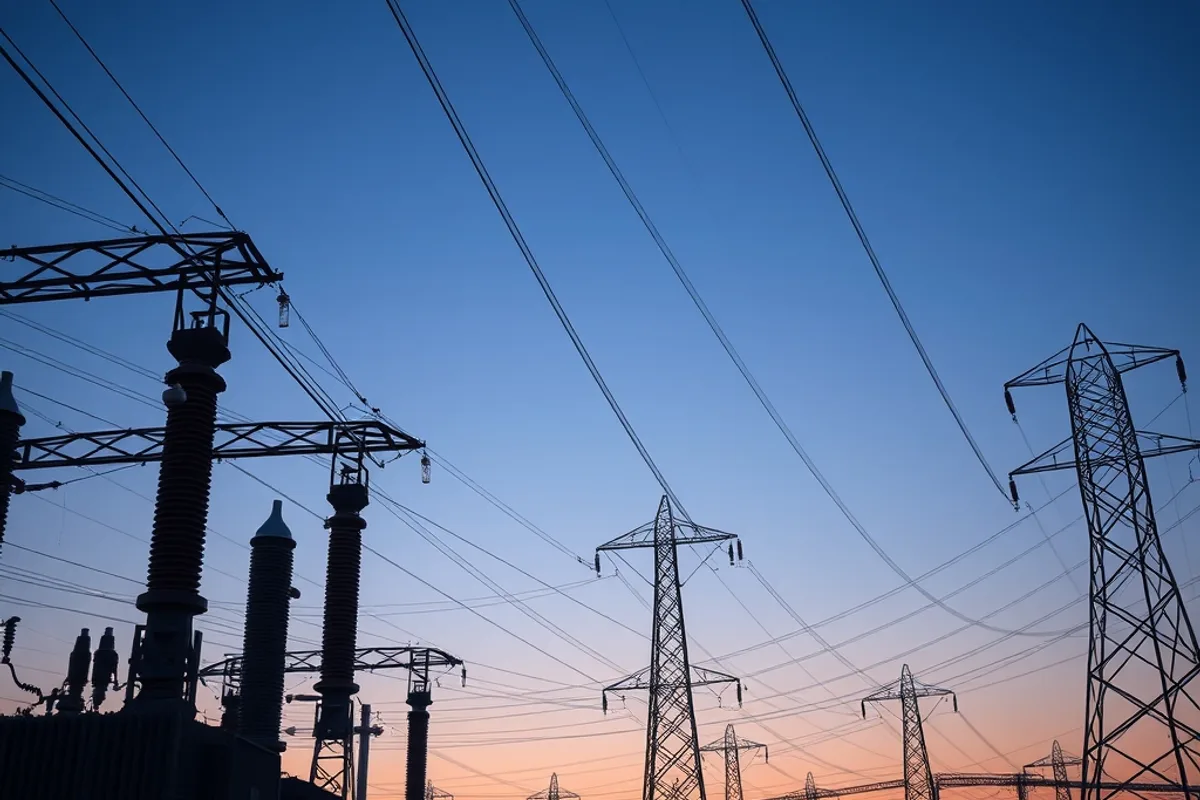
Electricity demand is changing shape. Air conditioning is spreading, data centres are growing, and electric vehicles are adding load in places that never had it before. At the same time, renewable generation is often connected far from where demand is highest. The grid in between was not designed for either pattern.
Substations and transmission lines have long lead times. A new connection can take years to plan and build, which means bottlenecks persist even when generation is available. During peak demand, operators may rely on expensive emergency measures to keep the lights on.
The fix is not only more cables. It is better use of the existing network: demand response, storage, smarter pricing and local generation. These tools can defer large construction projects, but they require coordination between regulators, utilities and customers.
Drainage: the cost of paving everything
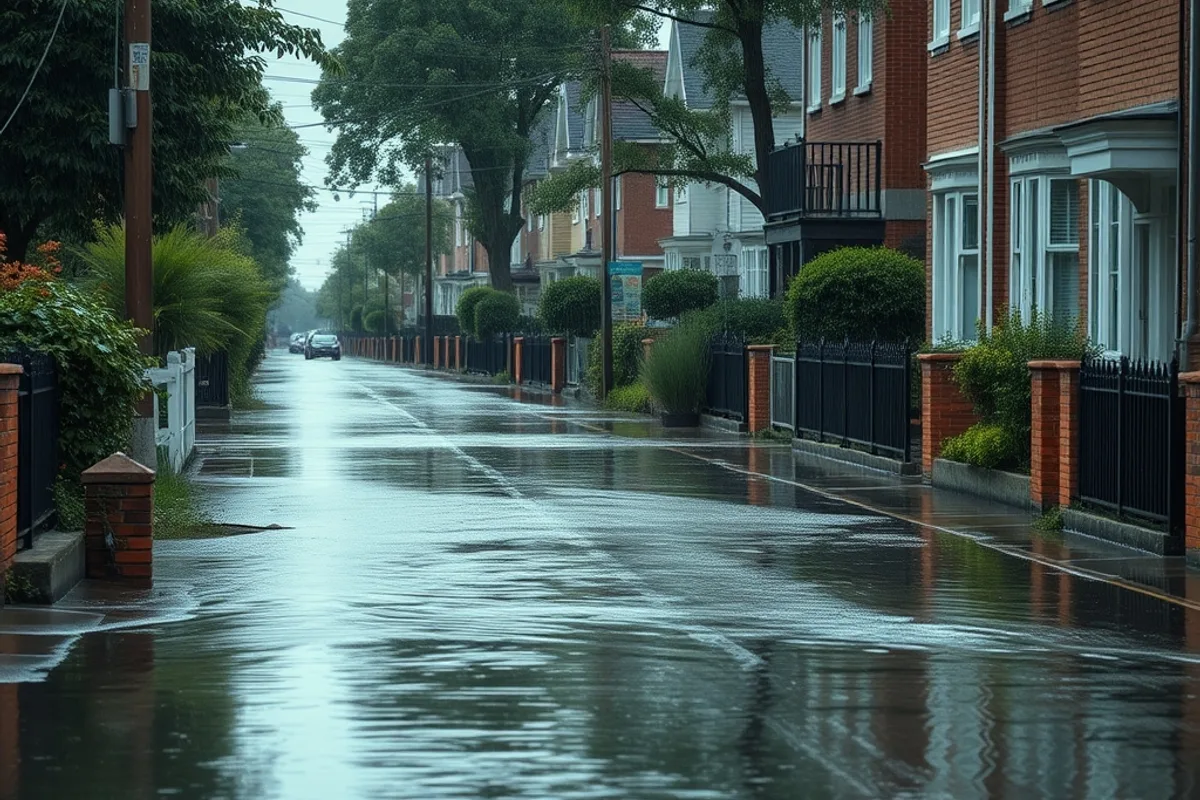
Flooding is often described as a natural disaster, but the severity is frequently man-made. When wetlands are drained, surfaces are paved and drainage channels are narrowed, rainwater has nowhere to go. A storm that once soaked into the ground now runs into streets and basements.
Modern solutions are known: permeable surfaces, retention ponds, restored wetlands, separated sewage systems and maintenance of existing drains. They are cheaper than repeated flood damage, but they require space and long-term planning. In dense neighbourhoods, space is exactly what is scarce.
Maintenance is the weakest link. A drain blocked by silt and rubbish fails long before its design capacity is reached. Regular cleaning is inexpensive compared with emergency response, yet it is one of the first budgets to be trimmed.

Why repairs lose to new projects
New infrastructure attracts attention, investment and political credit. Maintenance attracts invoices. A mayor can cut a ribbon on a new bridge; nobody cuts a ribbon on a pipe that did not burst. This asymmetry is structural, not personal, and it explains why so many systems drift toward failure.
Procurement makes it worse. Large projects have dedicated teams and financing models. Maintenance is fragmented across departments and often funded from operating budgets that are squeezed first. When money is tight, the invisible work is deferred, and the deferral compounds.
Some governments are responding with asset management rules that require maintenance to be funded before new projects are approved. Others publish service levels so residents can see whether promised standards are met. Both approaches make the invisible visible, which is the first step toward fixing it.
What residents can watch
You do not need an engineering degree to spot trouble. Repeated leaks in the same street, voltage dips during hot weather, drains that overflow in ordinary rain and repair crews that return to the same spot every few months are all signals of deferred work.
- Report repeat failures. A pattern is more persuasive than a single complaint.
- Ask for the maintenance plan. A utility that cannot produce one is probably reacting, not planning.
- Follow the capital budget. Compare what was promised with what was built.
- Support boring spending. Reliability is worth more than a new landmark.
Infrastructure is a promise made by one generation to the next. When it is maintained, nobody notices. When it is not, everybody pays. The choice is made in budget lines long before it is made visible in a flooded street or a darkened neighbourhood.
The bottom line
The pressure on water, power and drainage is not a mystery. It is the predictable result of ageing assets, rising demand and years of postponed work. The solutions are known and mostly unglamorous: fix leaks, reinforce the grid, maintain drains and fund the work before it becomes an emergency.
The hardest part is political, not technical. Voters reward visible projects and punish visible failures, which encourages leaders to build new things and neglect old ones. Changing that incentive is the real infrastructure challenge of the decade.
For official guidance, see OECD infrastructure policy work.
Infrastructure does not fail suddenly. It fails after years of being told to wait.Chauncey Apuzzi Editorial
We cross-check every claim against primary documents and independent reporting. Where a story depends on public records or official data, we link to the source so you can verify the numbers yourself.