Southeast Asia's Megacities Are Rewriting the Commute
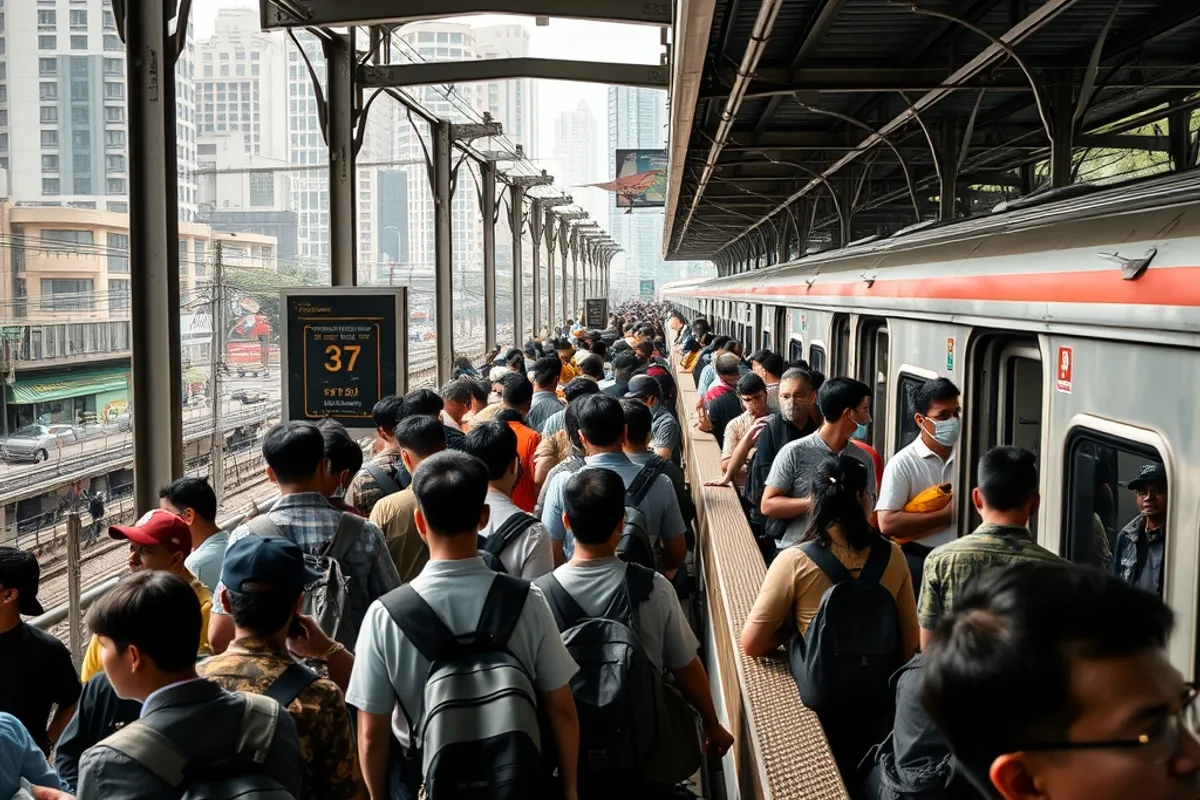
In most Southeast Asian megacities, the commute is not a background inconvenience. It is a daily negotiation with distance, weather, cost and time. A worker may leave home before dawn and return after dark, spending hours in traffic that turns a short distance into a long ordeal. The economic cost is enormous, and it falls hardest on people with the least flexibility.
The response has been a building boom. Metro lines, elevated rail, bus rapid transit corridors and new toll roads are changing how millions of people move. The results are real, but uneven. A new line can transform a neighbourhood near a station while leaving a district a few kilometres away exactly as it was.
Rail changes the map
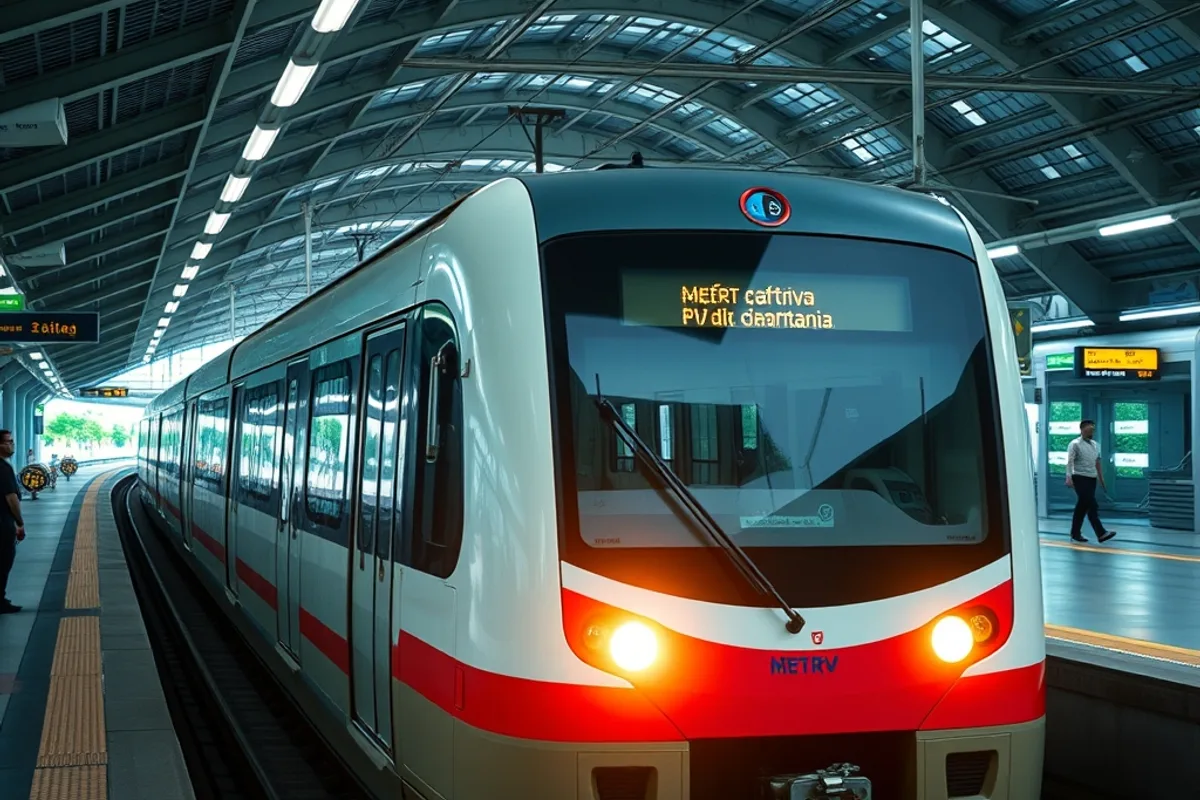
Rail is the most visible intervention because it is fixed, fast and easy to photograph. A metro line can cut a two-hour journey to forty minutes and make a job on the other side of the city realistic. Property values near stations usually rise, which helps owners and hurts renters.
The catch is coverage. Rail is expensive, so networks are sparse and stations are far apart. The people who benefit most are those who already live or work near a stop. Everyone else needs a feeder bus, a shared ride or a motorbike to reach the station, and that last mile can consume much of the time the train saved.
Integration is the difficult part. Fares, schedules and physical transfers are often managed by different agencies. A commuter may need three payment systems and two long walks to complete a trip. Cities that solve this make rail feel like a network. Cities that do not end up with isolated lines surrounded by congestion.
The bus is the quiet workhorse
Bus rapid transit costs far less than rail and can be built faster. Dedicated lanes, level boarding and prepaid fares can turn a slow, unreliable service into something closer to a surface metro. For cities that cannot afford a full rail network, a good bus corridor is the best value option available.
The politics are harder than the engineering. Dedicated lanes take road space from cars, and drivers notice immediately. Street vendors may be relocated. Informal minibus operators may lose routes. These groups are visible and organised, while the future bus passenger is not yet a constituency.
Where cities have held the line, the results are impressive. Where they have watered down the lanes or let cars park in them, the service slows and passengers drift back to motorbikes. The design only works if it is enforced.
The motorbike is not going away
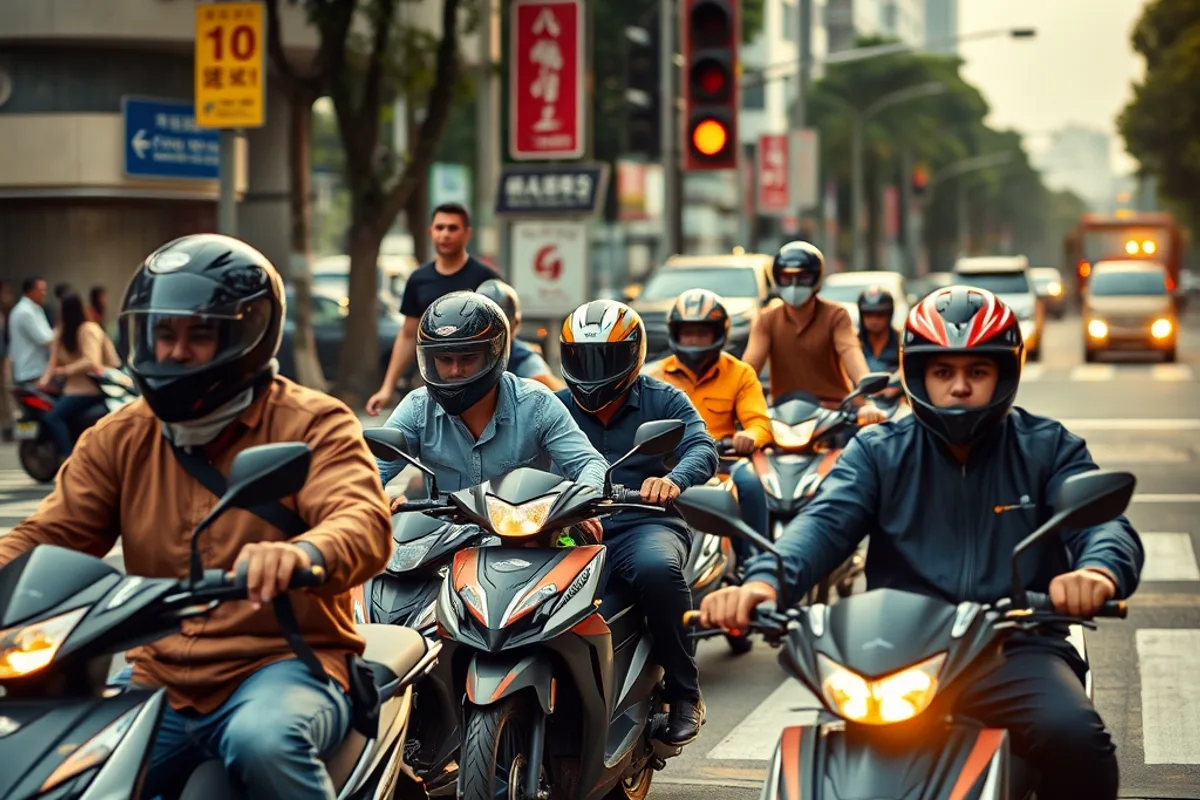
Motorbikes dominate many Southeast Asian cities because they are cheap, flexible and able to squeeze through gaps that cars cannot. They are also dangerous and polluting. Policies that simply ban them without providing an alternative tend to fail, because the people who rely on them have no other realistic option.
The more promising approach treats motorbikes as part of the system. Dedicated lanes, safer junctions, electric two-wheelers and park-and-ride facilities at stations can reduce harm while keeping the flexibility that makes them useful. Ride-hailing adds another layer, convenient but often adding to congestion when it pulls trips away from public transport.
Any honest plan has to answer a simple question: what does a low-income commuter do tomorrow? If the answer is "take a train that does not reach their neighbourhood", the plan is incomplete.
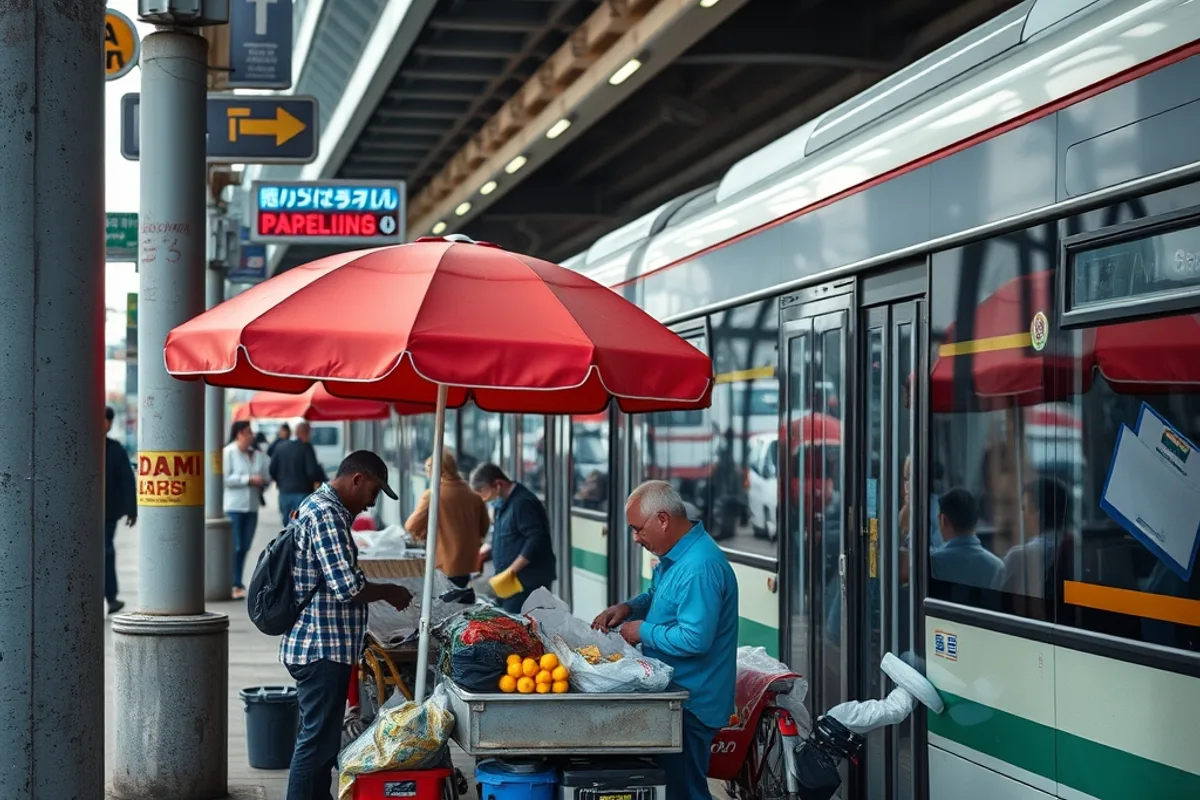
Congestion pricing and the fairness problem
Several cities are studying congestion charges or restricted-plate schemes. The economic logic is sound: charge drivers for the space they consume at peak times and use the revenue to fund alternatives. The political logic is harder. A charge that hits low-income drivers while the wealthy pay without noticing is unfair, even if it reduces traffic overall.
Design matters. Charges work better when they are paired with reliable alternatives, exemptions for essential workers and clear reinvestment of revenue. They work worse when they are introduced as a standalone tax on movement. Trust is the scarce ingredient, and it is easily spent.
- Pair pricing with service. New buses must arrive before the charge begins.
- Protect essential trips. Care workers and night shifts need a fair deal.
- Show the money. Publish where the revenue goes.
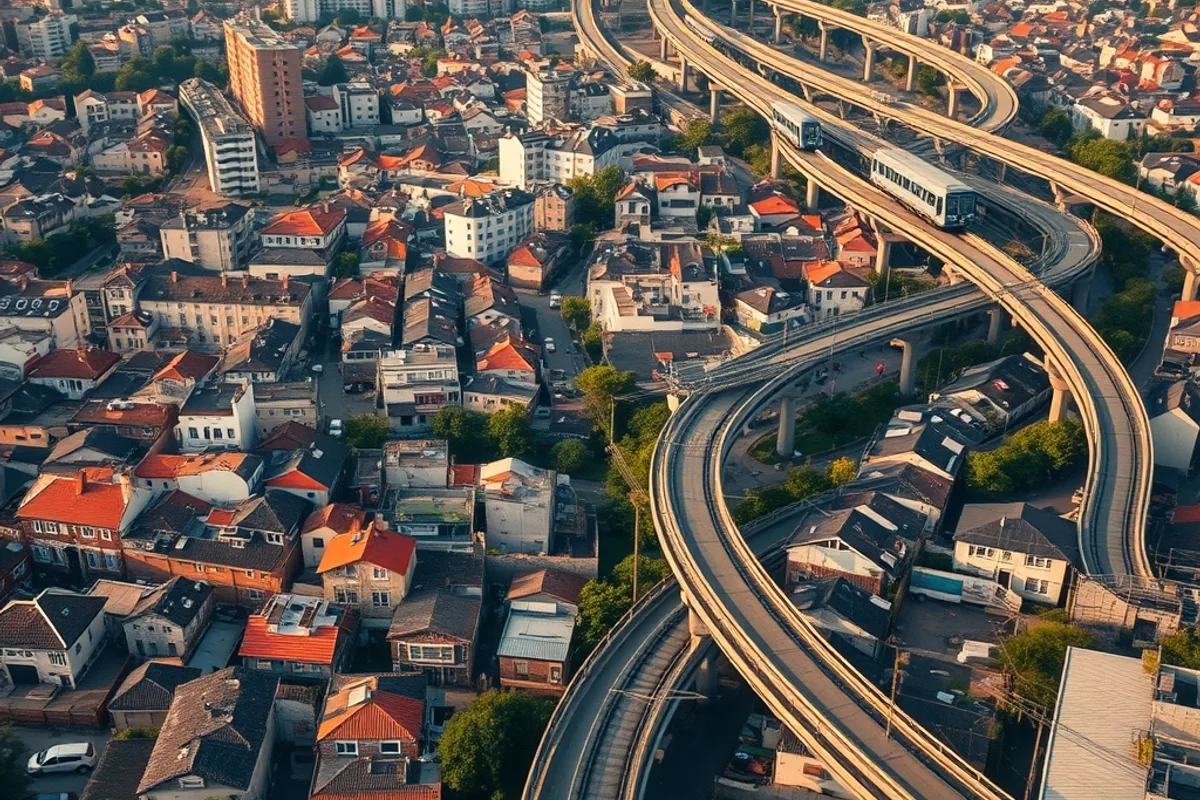
What success would look like
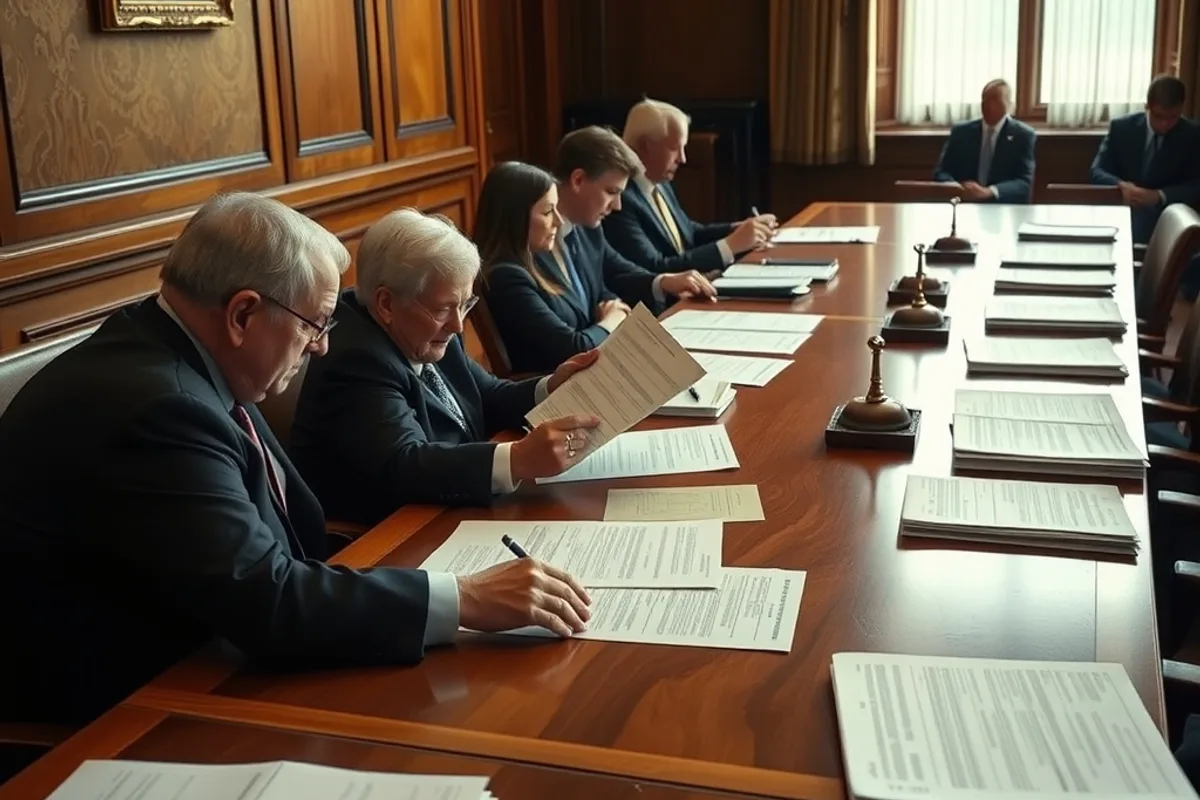
Success is not a city without cars. It is a city where a normal commuter has a reliable option that does not consume two hours and a large share of their income. That means integrated fares, frequent feeder services, safe walking and cycling routes, and stations that are clean, lit and accessible.
The megacities that get this right will gain more than time. They will reduce air pollution, lower the cost of doing business and widen access to jobs and education. The ones that build showpiece lines without fixing the last mile will have spent a great deal of money to move a fraction of their residents slightly faster.
The commute is a policy choice disguised as a fact of life. Southeast Asia's cities are now making that choice in concrete, steel and bus lanes. The results will be visible on every platform and every street corner for decades.
For official guidance, see ADB urban development research.
A metro line is only as useful as the walk, bus or motorbike ride that gets you to it.Chauncey Apuzzi Editorial
We cross-check every claim against primary documents and independent reporting. Where a story depends on public records or official data, we link to the source so you can verify the numbers yourself.