Every budget is a list of choices. We follow the money from tax receipts to hospital wards, road repairs and the quiet line items that decide who gets helped first.
The era of buying the cheapest component from anywhere is fading. Industrial policy is back, and the bill is arriving in prices and taxes.
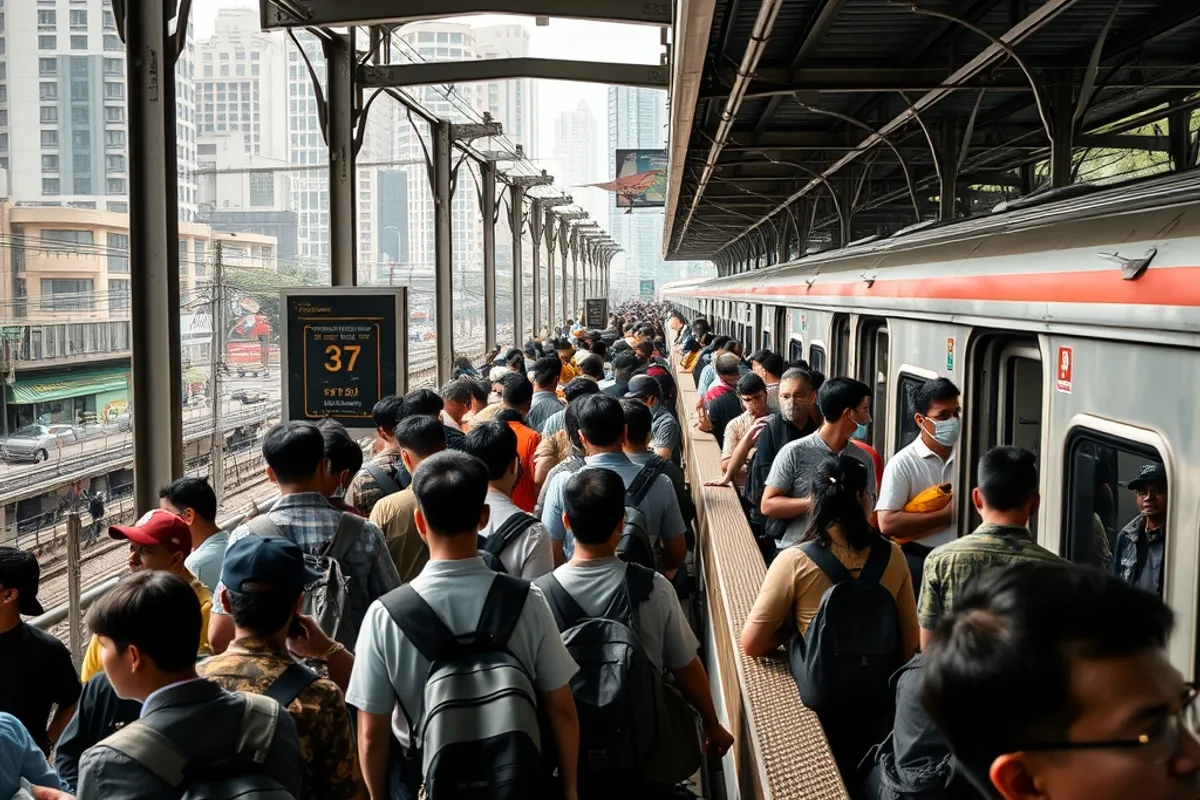
Millions of hours are lost in traffic every year. New rail lines and bus corridors are starting to change the maths, but not for everyone at once.
More young adults are living with parents, sharing longer or delaying major life steps. The reasons are structural, not personal.
When everything is urgent, nothing is. Audiences are stepping back from the alert cycle, and newsrooms are struggling to win them back.




The world, decoded


News, explained without the noise
Chauncey Apuzzi exists because following the news should not feel like drinking from a fire hose. Alerts arrive before facts are checked, headlines are written for clicks, and every outlet claims to be the one telling you the truth. We take that noise and turn it into clear reporting you can use the same afternoon.
Our writers are reporters first. Between them they have covered council chambers, national budgets, trade negotiations, housing courts and newsroom analytics. That range matters: a budget story needs someone who has read the line items, and a social policy story needs someone who has spoken to the people living with the decision.
We organise everything around five topics. Public Affairs follows budgets, institutions and the decisions that shape daily public life. Global Trends tracks the economic and political shifts moving across borders. Regional Reports takes you to the cities and communities where policy meets pavement. Social Issues examines housing, work, care and the pressures ordinary people live with. And Media Coverage explains how news is made, framed and consumed.
Every article is written to be finished rather than skimmed. We cite primary documents, we link to the sources, and we label our analysis as analysis. If a claim does not hold up, we will tell you plainly and show you why. When we get something wrong we correct it in public, because trust is worth more to us than looking confident.
Start with the stories below, or jump straight to the topic that matches the question in front of you right now. If you cannot find what you need, our team answers reader email within one business day.
Why trust us? We separate what is known from what is claimed, and we name the trade-offs so you can decide for yourself. Every claim that rests on data is linked to a source, every opinion is written as an opinion, and every story ends with a reason rather than a slogan. We would rather say "we do not know yet" than fill the gap with speculation.
Whether you are trying to understand a council budget, a shift in global trade, a housing crisis in your city, or why a headline made you angry, there is a story here for it. News moves fast, and the gap between a good decision and a rushed reaction is often measured in minutes. Bookmark the topics that matter to you and check back, because we update stories as facts change and add new reporting as soon as we can verify it.
We cross-check every claim against primary documents and independent reporting. Where a story depends on public records or official data, we link to the source so you can verify the numbers yourself.