
The Power of Long-term Thinking in Building a Sustainable Future
Introduction
When it comes to building a sustainable future, long-term thinking is key. If we want to solve the biggest challenges facing our planet (and ourselves), then we need a way of working that can deliver successful businesses and solutions with lasting value. That’s why I think that long-term thinking could be the most important business strategy of all time.
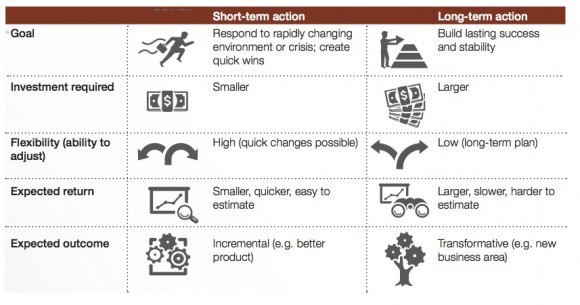
How long-term thinking can deliver more successful businesses
Long-term thinking is what separates the best companies from the rest. It’s the ability to see beyond today’s challenges and opportunities, and imagine what could be possible if you invest your time, energy and resources into building something that lasts.
A long-term perspective gives you a better understanding of how your business operates today so you can make better decisions about where it needs to go tomorrow. It also helps spark ideas for innovation–new products or services which may not have existed otherwise–because they offer an opportunity for growth over time rather than simply meeting short-term goals like quarterly revenue targets or annual sales quotas (which often lead businesses down paths with little upside).
Why are so few companies solving for the long term?
So, why are so few companies solving for the long term?
There are a few reasons. First, short-term thinking has become the norm in our society. Our cultural narrative is that we should focus on immediate gratification and results in order to be successful–but this perspective often leads us astray. When it comes to business strategy and sustainability goals, it can be difficult for companies (or individuals) to prioritize long-term thinking when they’re under pressure from shareholders and investors who only care about quarterly profits or revenue growth over time. In fact, many large organizations even have incentives built into their compensation packages that reward executives based on performance in one year or less!
How does long-term thinking work in practice?
Long-term thinking isn’t a one-off exercise. It’s an ongoing process, which means you can apply it to all aspects of your business. That includes:
- Your vision and mission statements–what do they say about how you want to be viewed by the market? What do they tell us about what you consider important? And are those things sustainable over time?
- The way employees interact with each other–are they encouraged to share ideas freely or discouraged from doing so by fear of being criticized or punished for failure (real or perceived)? Are there opportunities for people at different levels within the organization who have different perspectives on how things should work together better communicate with each other so that everyone has a clearer understanding of what needs improvement in order for things like innovation projects or product launches go smoothly without any hiccups along the way.
What makes a good long-term thinker?
A good long-term thinker understands the need to take a long-term view and is aware of the risks and opportunities involved in this kind of thinking.
They can make decisions that are not popular in the short term, but which will have positive consequences in the future. They’re comfortable with uncertainty because they know that it is often impossible to predict what will happen even a few years from now–so why not try something new?
How do we make sure that everyone is on the same page when it comes to long-term thinking?
How do we make sure that everyone is on the same page when it comes to long-term thinking?
- Create a shared vision. A company’s mission statement should be clear about what it stands for and what it hopes to achieve. If you want your organization to be sustainable, then make sure your mission statement reflects this. If you’re working at a company with an existing mission statement, then consider adding sustainability language into it (e.g., “Our mission is to create products that improve lives while minimizing their impact on the environment”).
- Create a culture of long-term thinking. This means fostering an environment where employees feel comfortable challenging each other’s ideas and assumptions so they can better understand how decisions are made within the company–and one way to do this would be through regular check-ins where managers ask employees what they think about certain issues related with sustainability
Long-term thinking is not only the smart way to run a business, it is also a key driver of sustainability
Long-term thinking is not only the smart way to run a business, it is also a key driver of sustainability. By thinking long term and looking past their own immediate interests, businesses can create far more value for themselves and society as well as deliver better returns for investors. Yet so few companies are solving for the long term–and even fewer are doing so successfully. Why?
In practice, long-term thinking means being strategic rather than tactical; focusing on what matters most over time rather than just today or next quarter; making decisions based on evidence rather than gut feelings or short-term goals; asking yourself “what if?” instead of “how much?” And yet despite these benefits, many leaders continue to make decisions based primarily on short-term outcomes instead of considering how those choices will affect their organizations over time (or even into perpetuity). How does this happen?
Conclusion
In the face of urgent and pressing issues like climate change, it can be tempting to believe that short-term thinking is the only option. But if we want to solve these problems and build a sustainable future, then we need more companies who are willing to think long term–and there’s no better place than here at The B Team!