
The Customer Experience, If You’re Doing It Right, Is No Longer About Being Friendly
Introduction
The customer experience is changing. Artificial intelligence (AI) is here, and it’s not just about being friendly. Customers want to be seen and heard. Customers want to be recognized for who they are and what they do for their company. AI can help you do this, but it requires a cultural shift as well as technology.
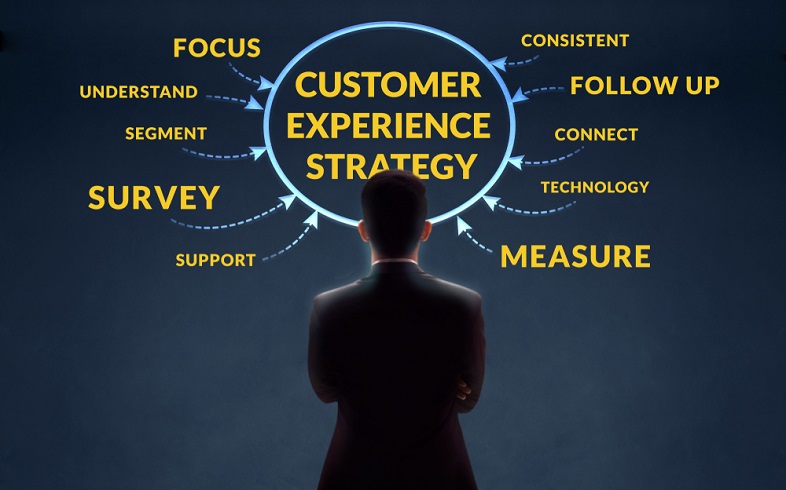
Artificial Intelligence is here, and it’s not just about being friendly.
AI is here, and it’s not just about being friendly.
The customer experience is changing. No longer are we just talking about how to make customers feel like they’re being treated as individuals or even how to make them happy; now we need to think about what will keep them coming back for more. AI can be a tool that helps you do this–but it’s not a replacement for human interaction.
Let’s break down what AI means in terms of your business:
Artificial Intelligence (AI) refers to machines that mimic human behavior by learning from past experiences and making decisions based on those learnings or predictions about future events based on current data points available at any given time
The customer experience is changing.
The customer experience is changing. Customers are more demanding, informed and empowered than ever before. They’re mobile, social and digital–and they have higher expectations of the brands they interact with on a daily basis.
The best way to meet these changing expectations is by adopting an omnichannel approach that allows you to interact with customers in real time across all channels: online (website), offline (store) and mobile (app). This allows you to deliver an optimal experience based on each individual’s preferences while also providing a consistent brand experience across all touch points.
Customers want to be seen and heard.
You may have heard the term “customer experience” before, but what does it mean? A customer experience is the sum of all interactions between your company and its customers.
This means that if you’re selling something online and someone buys from you, then that person had a good customer experience. But if they contact support with an issue or call in to place an order over the phone (which would be considered separate parts of your company), then those too would be part of their overall interaction with your company–and thus contribute to their overall impression of how well things went.
Customers want to be recognized for who they are and what they do for their company.
Customers want to be recognized for who they are and what they do for their company. They want to know that their opinion matters, and that the company has their back when things go wrong.
This is why it’s so important for us as service providers to understand our customers’ unique needs–and deliver customized solutions based on those needs. For example, if a customer comes into an Apple store with a problem with his iPhone 6 Plus, an employee would likely ask him about what he does with his phone on a daily basis before recommending any solutions (e.g., use an Otterbox case). If another customer walks in with the same problem but also mentions that she’s planning on traveling abroad soon, she might get advice about how much memory she should add before leaving so that she doesn’t run out while abroad (the answer depends on whether or not there are Wi-Fi hotspots available).
AI can help you do this, but it requires a cultural shift as well as technology.
AI can help you do this, but it requires a cultural shift as well as technology.
AI is a tool to help you do this and scale your customer experience. But it requires a cultural shift as well as technology. Companies need to be able to use AI for scaling their customer experience and getting closer to their customers–but they also need the right people on board who understand both the technology and what’s possible with it in order for AI implementations within companies (and especially banks) not only work out well but also deliver on their potential benefits over time
Conclusion
Artificial Intelligence is here, and it’s not just about being friendly. The customer experience is changing. Customers want to be seen and heard. They want to be recognized for who they are and what they do for their company. AI can help you do this, but it requires a cultural shift as well as technology