
Enhancing Workforce Augmentation
Introduction
The world of work is changing, and companies need to adapt. The rate of technological development has increased substantially in the past few years, and it’s not just AI that’s reshaping business models. Emerging trends like cloud computing, big data analytics and machine learning are making it easier than ever before to access technology that can be used by employees at all levels.
As new technologies become available, they offer ways for organizations to augment their workforce with artificial intelligence (AI). This means giving workers more autonomy over their work schedules while also providing them with tools that make them more efficient in completing tasks.
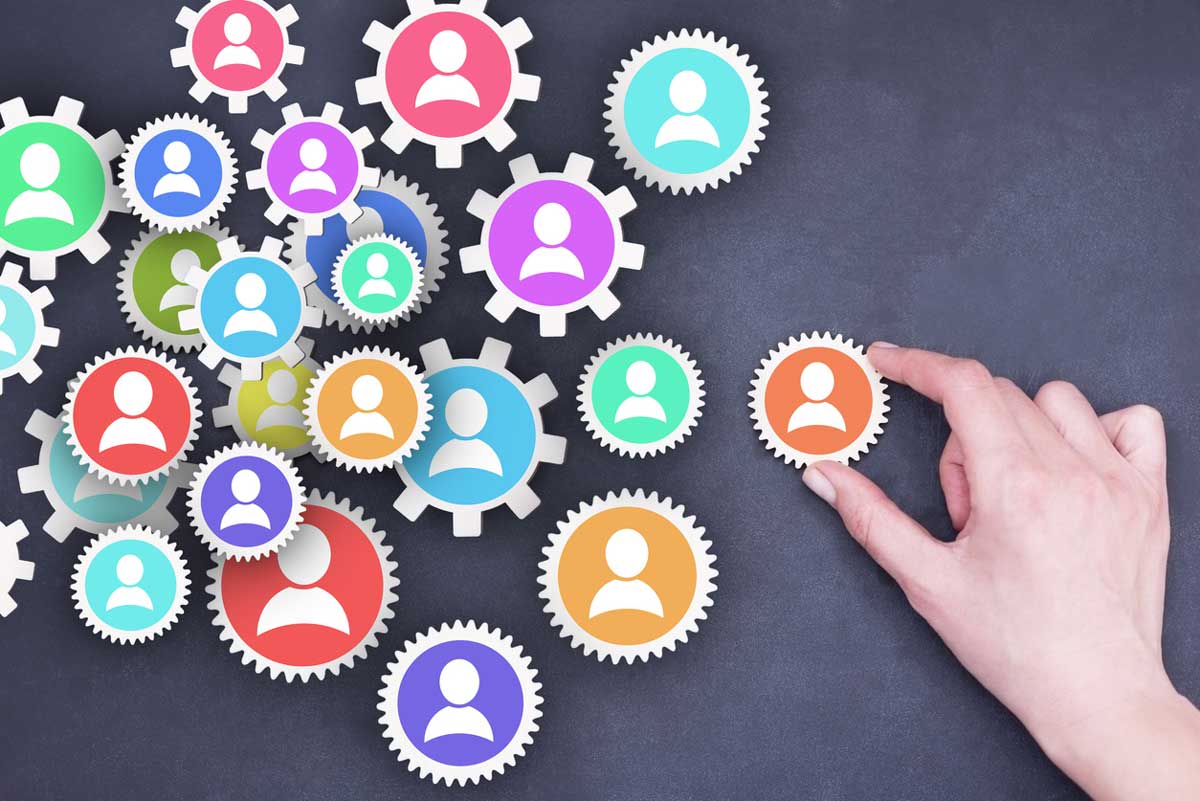
Augmenting the workforce through AI
In the world of work, AI is a game-changer. It can help workers do their jobs better and faster. It can also help organizations do their jobs better and faster together with their employees. And it’s not just about efficiency: AI can also make workplaces safer for everyone involved in an organization–from the CEO down to the janitorial staff–by removing tasks from human hands that are prone to error or fatigue or otherwise unsafe conditions.
What is workforce augmentation?
Workforce augmentation is the use of artificial intelligence (AI) to complement human intelligence. It’s most commonly used in business applications, but it can be applied to any industry where there are repetitive tasks that can be automated or made more efficient with AI.
A good example of this is an assembly line at an auto plant: The human worker uses machine tools to build cars, while a computer monitors the process and makes recommendations on how to improve efficiency and quality control. This combination of human labor and machine automation allows the company to produce more vehicles in less time than they could without this technology!
Why should you consider workforce augmentation?
Workforce augmentation is a strategy that companies use to increase productivity, reduce costs and improve agility. It can also help with employee engagement, which in turn improves retention rates.
Workforce augmentation involves using technology or outsourcing to delegate repetitive tasks so that employees can focus on more challenging work that requires a higher level of skill set or expertise. For example: If you have an IT department but don’t have the budget for an additional full-time employee (FTE), you could outsource certain projects or tasks from your technology provider instead of hiring another person internally. This has several benefits including reduced expenses because the cost of outsourcing is usually less than what it would cost for an FTE; increased productivity due to less time spent managing vendors; improved agility because there are fewer internal dependencies on one another if everyone uses third-party services instead; increased employee engagement because they may not be as likely to leave their job if they feel like they’re being treated well by vendors who provide excellent service–and lastly but certainly not leastly…improved retention rates because employees will generally stay longer when working conditions are favorable.”
How and when should we use AI in workforce augmentation?
There are many ways in which AI can be used to augment the workforce. One of the most common ways is through physical labor, where humans and machines work together as a team to complete tasks that either cannot or should not be done by humans alone. For example, an artificial intelligence system could help workers assemble cars by providing them with instructions on how to assemble different parts of these vehicles. This allows for better quality control than when people do all of this work by themselves because there will always be some human error involved when someone is trying something new without any guidance from another person (or machine).
Another way AI augments workers’ abilities is through cognitive assistance: providing tools that make it easier for humans to do their jobs and achieve higher levels of productivity while reducing fatigue over time due to stressors like monotony and boredom at work environments such as call centers where employees spend hours every day answering questions from customers who often call back within minutes after hanging up just so they can ask another question again without knowing whether anyone else had answered yet!
How can you get started with AI in your organization?
The first step to getting started with AI in your organization is to conduct a pilot project. A pilot project can be used to test the concept, technology and process. It’s also great for testing people’s reactions and seeing how they respond when exposed to new technologies for the first time.
For example, if you want an AI solution that can perform data analysis on customer satisfaction surveys, then you would want someone who understands how this type of software works (or at least has some experience). You might even consider hiring someone with strong coding skills so they can build it themselves!
Once everything checks out during these initial tests, then it’s time to roll out across all departments within your business or organization – after all:
Workers can benefit from more autonomy and companies can benefit from increased productivity.
Autonomous workers can make better decisions.
- Autonomous workers are more likely to make the right choice. When you give a worker autonomy, they don’t have to ask for approval every time they want to do something different or try something new. Instead of having to wait for approval from above, autonomous workers can make decisions on their own and get things done faster without slowing down progress by waiting for approval from upper management.
- Autonomous employees are more creative in coming up with solutions because they don’t have someone telling them what needs doing next all day long – which often leads them down an unproductive path where no one benefits from their creativity at all!
Conclusion
AI has the potential to be a game-changer in the workforce, but it’s not going to happen overnight. It will take time and effort on your part before you see any results from using AI in your organization. However, if you’re willing to make that commitment then there are many benefits that can be reaped by both workers and companies alike