
Enabling Personalization Through eCommerce Analytics
Introduction
Personalization is one of the most important, yet complex, aspects of eCommerce. It’s not enough to simply give your customers a “one size fits all” experience—you have to really get to know them and use that information to provide an individually tailored shopping experience. This means using data analytics to understand what customers are looking for, what they’re buying and how much they’re spending.
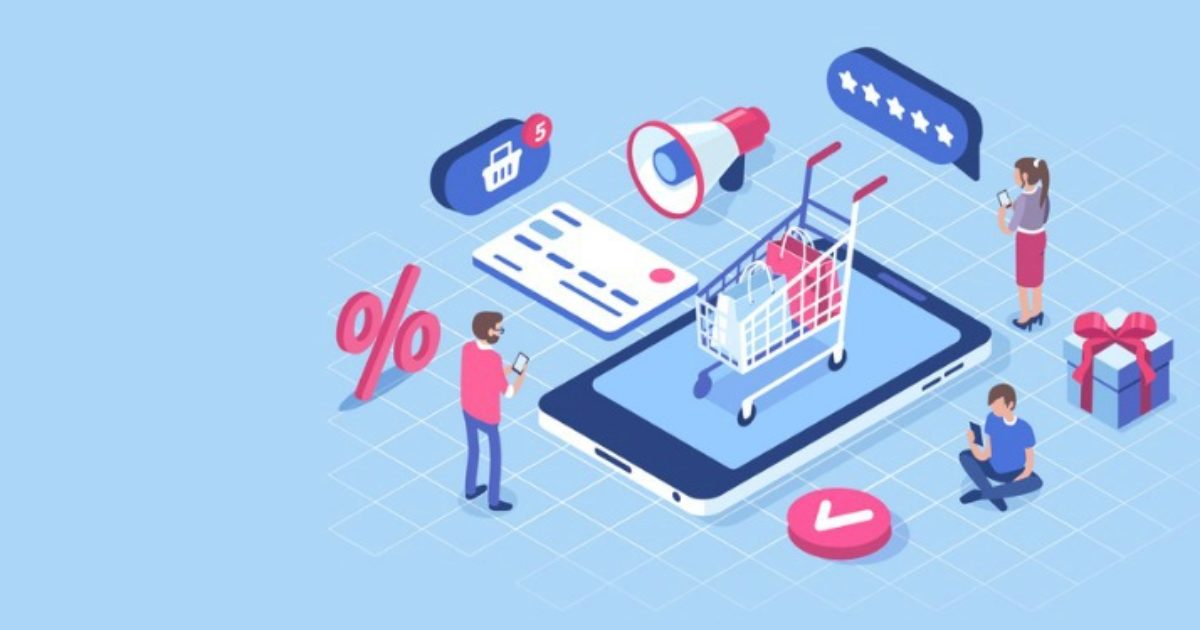
Introduction
Personalization is a powerful tool that can help you increase customer satisfaction and sales. In this article, we will discuss the importance of personalization, what it means and how ecommerce can benefit from it.
Personalization Enabled by Data Analytics
Data analytics is the process of collecting, analyzing and interpreting data. It’s what allows you to understand your customers’ behavior, anticipate their needs and make appropriate decisions that improve your business.
Data analytics can also be used to help personalize eCommerce experiences based on customer preferences and interests. Personalization enables you to deliver content that’s relevant for each individual customer or visitor; it increases engagement with your brand because it makes them feel like they’re interacting with a friend rather than just another anonymous user on the internet who doesn’t care about them as much as they do!
There are many different tools available for collecting data about online shoppers: Google Analytics (GA) is probably one of the most popular ones right now because it’s free–and who doesn’t love free stuff? Other options include Adobe Omniture SiteCatalyst (ASC), IBM Digital Analytics Platform (DAP), Kenshoo – Search Retargeting Platforms & Marketing Automation Software Tools
Identifying Customers and Personalizing to Them
Personalization is a key component to eCommerce. It allows your company to offer a more customized experience for your customers, which can lead to increased sales and customer loyalty.
Personalization is about knowing who your customers are and tailoring the experience based on what they’ve done in the past or what you know about them from other sources such as social media profiles. For example, if someone buys from you once and then comes back again within a few days, it could mean that person likes what they bought before so maybe he or she would like another product similar in style or price range–or even something completely different! In this case, personalization would result in recommendations based on previous purchases made by other people who purchased similar items before making their purchase decision (and vice versa).
Personalization at Work
Personalization is more than just a buzzword. It’s an important part of your eCommerce strategy, and it can help you stand out from the competition by giving customers an experience that feels tailored to their needs.
Here’s how personalization works:
- Personalized experiences are a key differentiator for eCommerce businesses because they help build trust with customers. When someone knows that you understand them and what they want (even before they do), it makes them feel valued as individuals–and that sense of connection is critical for building loyalty over time.
- Personalized experiences can increase customer loyalty by making people feel special or appreciated in some way–for example, by suggesting products based on past purchases or showing personalized discounts during checkout based on location data collected when someone enters a store location into their GPS system while shopping online at home! This type of thing will make shoppers feel like they’re getting special treatment just because they’ve been loyal customers in the past; this builds loyalty because now those same shoppers will stick around longer than ever before!
With the right analytics, you can use your customers’ data to improve their experience.
It’s important to define your problem before getting started on solutions. If you haven’t done so, take some time to figure out what you want to accomplish with eCommerce analytics.
You may have heard the phrase “the best-laid plans of mice and men often go astray.” That’s because it’s easy to get caught up in other people’s goals–or even your own lofty ambitions–and lose sight of what’s actually achievable in a reasonable amount of time. If we look at fitness as an example, there are plenty of people who want their abs by summer or they’ll never wear shorts again (not true). In reality, most people need more like 3-6 months before they see any results from their workouts; but if someone tells themselves it will happen overnight or within weeks/months instead of years/decades., they’re setting themselves up for failure!
Conclusion
In conclusion, personalization is an important part of any ecommerce store. By using analytics and data from your customers, you can create a better experience for them and increase sales. It’s important to remember that personalization doesn’t have to be just about what someone buys; it can also be about how they feel when they shop with you!