
Checking Third-Party Security is Important, But Often Overlooked
Introduction
The topic of third-party security is one that often gets overlooked by organizations. In fact, many companies don’t think about third parties at all when it comes to security. But this area is an important consideration for any organization, especially if you rely on the services provided by vendors and partners in order to do business. If these third parties aren’t secure themselves then there can be significant risks for organizations—after all, an attack on one point in your supply chain could compromise multiple points down the line.
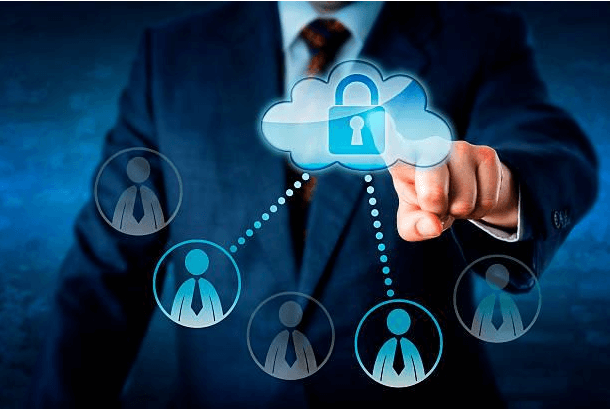
Third-party security, the potential threats to an organization and its customers or users that come from outside of the organization, is something that we spend a lot of time talking about at Rapid7.
Third-party security, the potential threats to an organization and its customers or users that come from outside of the organization, is something that we spend a lot of time talking about at Rapid7. It’s important because third parties can compromise your data just as easily as hackers can–but often overlooked by organizations. But why would you overlook something so vital?
It’s simple: because it’s hard to know where all your third parties are located and what they’re doing with your data. Third parties may be located in other countries (or even on another continent) and operate under different laws than yours; there could also be hundreds or thousands of them spread across your supply chain! These factors make monitoring their activity difficult–and when you add in the fact that many companies don’t even know what kind of information they’re sharing with these organizations, it becomes clear why this area has become such an issue in recent years
It’s important to remember that an organization doesn’t just need to protect itself; it also needs to protect its partners, vendors, customers and anyone else who interacts with it.
It’s important to remember that an organization doesn’t just need to protect itself; it also needs to protect its partners, vendors, customers and anyone else who interacts with it.
The reason for this is simple: third-party security is often overlooked because it’s not easy to do. However, if you don’t take steps toward securing your third parties then they could be at risk of being compromised by hackers or other malicious actors who may have access to sensitive data belonging to your company.
The key question is how much can you afford to trust your third parties? Do they have robust security programs in place? Can you trust their software? Do they have access to sensitive information or data?
The key question is how much can you afford to trust your third parties? Do they have robust security programs in place? Can you trust their software? Do they have access to sensitive information or data?
Third-parties are often overlooked when it comes to security, but they should not be. Third parties may include vendors who provide services like cloud hosting and application development, as well as consultants and contractors who work with your organization on specific projects. For example, a vendor providing cloud storage could be storing customer credit card numbers or proprietary data that needs protection from unauthorized access by hackers or insiders within the company (i.e., those who have access rights).
In addition, there are many examples where an attack against a third party has resulted in damage caused by malware being spread across other systems through shared networks–such as when WannaCry infected computers at hospitals across England last year after first infecting computers at government agencies there via email attachments containing malicious software embedded within Word documents sent out by one contractor working for another contractor!
Make sure you know what you’re getting into when it comes to third parties. There are many different types of third parties – some are direct customers who pay for your products or services, while others may be vendors who provide products or services using systems that interconnect with yours.
Third parties can be direct customers who pay for your products or services, or vendors who provide products or services using systems that interconnect with yours. For example, when you use an online payment processor like PayPal to accept payments on your website, they are a third party. The same goes for any other vendor that provides goods or services to your organization–they’re all considered to be third parties because their relationship is not directly related to the organization’s core business model (but rather exists outside of it).
Third-party risk management is important because these entities often have access to sensitive data about an organization’s operations and assets, which could potentially be misused if not properly protected from cyberattacks by IT security teams at both ends of the connection: yours and theirs!
If third-party security is ignored, even though it’s often overlooked, then an organization’s overall security can be compromised because of these kinds of vulnerabilities along its supply chain.
If third-party security is ignored, even though it’s often overlooked, then an organization’s overall security can be compromised because of these kinds of vulnerabilities along its supply chain.
Third-party vendors are an integral part of any business and their services help boost productivity and efficiency. However, they also introduce risks that must be managed effectively in order to avoid costly data breaches or reputational damage.
While you may think that you have adequate controls in place to manage your own organization’s IT infrastructure and systems, there are many other areas where you can become vulnerable due to third parties’ negligence or lack of security best practices on their end:
Third-party security is important
Third-party security is important because it’s not just your organization that is at risk. Your supply chain, partners and customers are all impacted by third-party security issues.
Third parties can impact your business in many ways, including:
- Accessing sensitive data (e.g., customer credit card information) or intellectual property;
- Compromising systems with malware;
- Using their access to steal confidential information from other companies in the same industry or vertical market as you; and
- Introducing vulnerabilities into your systems via poor security practices.
Conclusion
Third-party security is a critical aspect of organizational security, but it can be difficult to manage. An organization needs to understand who its third parties are and what their security practices are before trusting them with sensitive information or data. If third-party risk is ignored, even though it’s often overlooked, then an organization’s overall security can be compromised because of these kinds of vulnerabilities along its supply chain