
Building A Better Business Continuity Plan with Disaster Recovery
Introduction
You’ve put in a lot of hard work to make your business successful. You’ve built up a loyal customer base, hired great employees, and invested in new technology. But what happens if disaster strikes? If you don’t have a plan for recovery, you could lose everything.
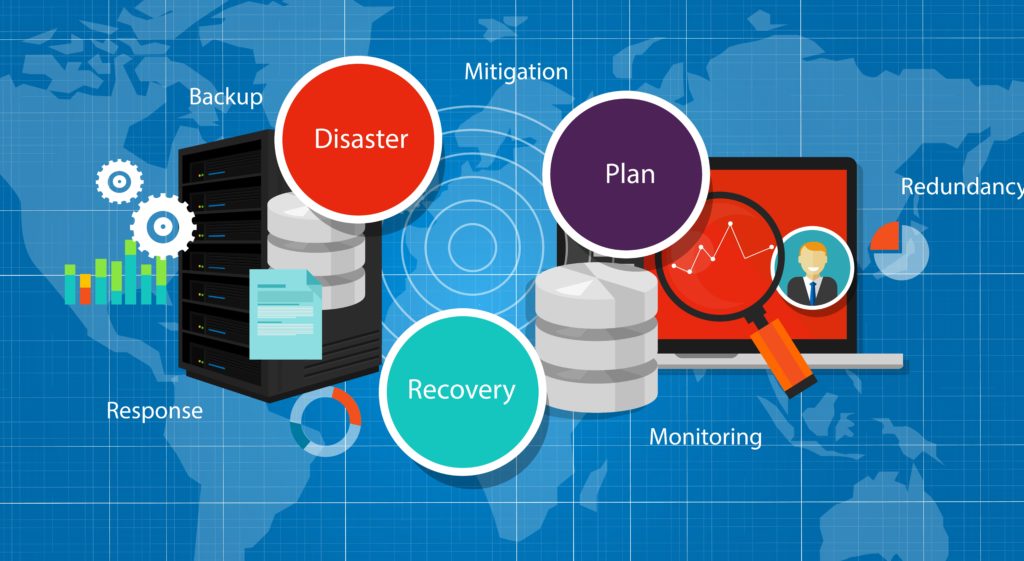
Business Continuity Plan
Business continuity planning is the process of developing and implementing a plan that ensures the survival of your organization in the event of an emergency or disaster. It’s important to have a business continuity plan because it will help you avoid disruptions in service, lost revenue, damage to equipment and property, disruption to operations and productivity–all things that can hurt your bottom line if they happen when you least expect them.
The first step in developing an effective BCP is determining what constitutes an emergency or disaster for your company. This might seem obvious at first glance: If a tornado destroys half your office building while everyone’s inside working on Monday morning (as happened at my former employer), then obviously we’re talking about an “emergency.” But there are many other types of events that may cause serious damage but aren’t necessarily considered emergencies by everyone involved–things like power outages lasting more than 24 hours; water main breaks; fires; theft; vandalism; etc., which could all be considered disasters depending on how much damage they cause and how often they occur within certain timeframes (for example: if there were two burglaries within six months). Once we’ve defined what constitutes an “emergency” vs “disaster” for our own purposes here at XYZ Company Inc., we’ll need some guidelines regarding what should happen during each scenario so employees know what actions needs taken next without having any confusion over who gets called into action when something happens unexpectedly during work hours.”
Disaster Recovery Plan
In the event of a disaster, your business continuity plan will be put to use. The steps below are the basics of what to do in order to get things up and running again:
- Determine who needs to be contacted by your IT department when there is an outage or other issue with your systems. This includes all employees who are involved in day-to-day operations, as well as those who may be able to help with recovery efforts.
- Create checklists for each employee that includes their contact information and emergency contacts (friends/family). This can be done electronically or printed out so that it’s readily available if needed during an emergency situation.
Change Management
Change management is an important component of any business continuity plan. It’s what helps you manage the risks associated with change, and it helps you manage change in a way that minimizes its impact on your business. Change management also allows for cost effective implementations of new technologies and processes.
Change Management Processes:
- Identification – You need to know what changes are coming so you can prepare for them! Identify what changes will happen during the next year, 5 years, 10 years? Who will be impacted by those changes? How will those people be impacted? What policies/procedures need updated or created as result of these changes? What resources do we need now (or later) in order to accommodate these new requirements? How much money does this all cost me right now versus later down road when needed again…
Training, Testing and Exercising
Testing is an important part of your business continuity plan. It’s also a key part of making sure that your DR plan works when it’s needed most. But what you’re testing and how often can vary depending on your company, its size and its needs.
In general, there are two types of testing: training and exercising. Training is more like practice; it helps people learn how to do things correctly so they’ll be ready in case something happens (like an earthquake). Exercising is more like practicing what happens if those things do happen–it tests out the plan itself by putting it into action (like shutting down servers).
For example: If you need backup power at work because there’s no power grid available due to natural disaster or manmade disaster (like terrorism), then someone will have to go outside with extension cords plugged into nearby buildings’ outlets so everyone has electricity again! This would be considered “exercising” since we’re actually testing whether our backup power solution works properly under stressful circumstances like this one where lives might depend on having lights on high-rise buildings without any access points nearby except other tall buildings’ outlets available through long cables connected directly between buildings themselves which means lots of walking around outside while carrying heavy loads through narrow corridors inside each building before finally reaching said outlet(s) located somewhere deep inside where no one ever goes unless absolutely necessary…which makes sense because why would anyone want go there anyway?
Disaster recovery plans are important to keep your business running smoothly.
Disaster recovery plans are important to keep your business running smoothly.
Business continuity plans are important to keep your business running smoothly.
Disaster recovery and business continuity plans are important to keep your business running smoothly.
Conclusion
If you’re looking to improve your business continuity plan, the first step is to identify where it’s lacking. This might be something like training or testing, or maybe even changing some fundamental aspects of your current plan. Once you know what needs work, then it’s time to start working on those areas until they are up-to-date and effective again!