
A Theory Of Measuring & Reporting Sustainability Performance
Introduction
In the spirit of this blog’s mission to improve your work life, I’d like to introduce you to a new way of thinking about sustainability performance measurement. It’s called a theory, and it’ll help you organize your thoughts around what matters most in sustainability management.
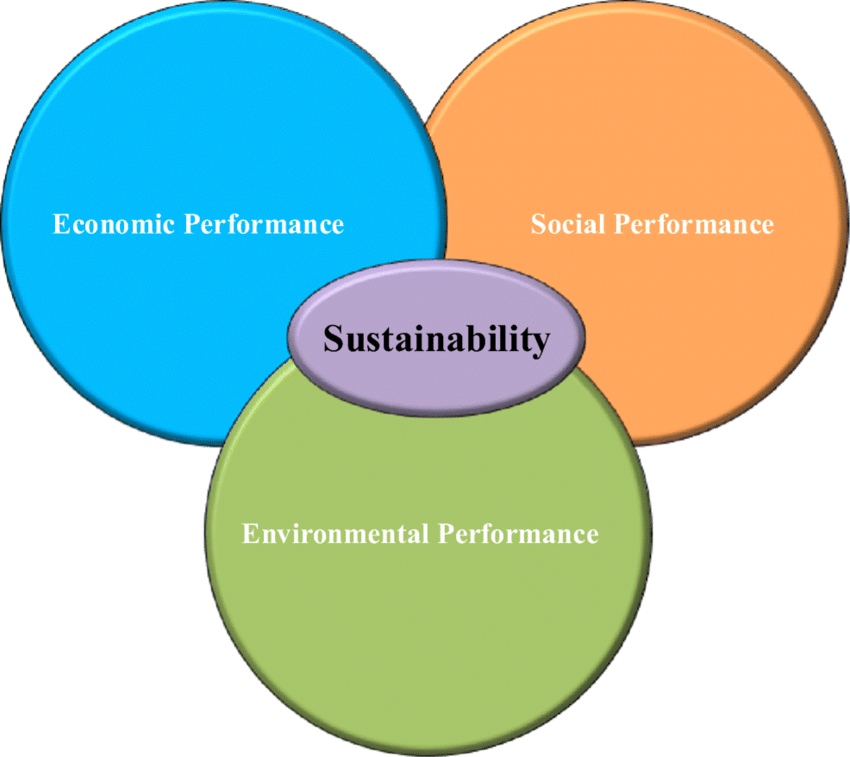
What is a theory?
A theory is a statement of facts, principles, or laws that can be proved by facts or repeated in new situations. A theory is a general statement that explains a group of facts or phenomena. It should be noted that theories are not always proven true; rather, they are supported by evidence that allows you to make predictions about what will happen under certain conditions.
A theory makes an accurate prediction about how things work in the world around us and helps us understand why things happen as they do. For example: “the earth revolves around the sun” (Kepler’s first law) or “heat rises” (Boyle’s Law).
What are the key components of a theory?
A theory is a set of relationships between variables. It describes the way the world works and makes predictions about what will happen under certain conditions.
A theory is based on evidence and facts, which can be tested through observation or experiment. A good theory must also be falsifiable, meaning that it can be disproven in some circumstances (or at least modified). Theories are consistent with other theories that have been proven true through observation or experiment–this consistency helps us understand how all these different ideas fit together into one coherent picture of reality. Finally, a good theory should be able to solve real-world problems; this means we can use our understanding from this particular science field to solve problems within its context (such as sustainability).
How does this apply to sustainability performance measurement?
- How to use a theory to simplify the process of measuring and reporting sustainability performance:
- How to use a theory to help you find the right metrics for your business.
- How to use a theory to help you make sense of the data you collect.
A theory can help clarify the most important concepts, variables, and relationships in sustainability management.
A theory can help you understand what is happening in your organization.
It can also help you predict what will happen in the future.
Finally, it allows you to explain why things are happening as they are, which is an important step towards designing experiments that test your ideas about what needs changing and how to make those changes happen effectively.
Conclusion
We hope this post has given you some ideas about how to apply theories in your own work. In our next post, we’ll look at how you can use theory-building tools like frameworks and models to develop new theories and improve existing ones.