
A Beginner’s Guide To Payment Processing
Introduction
Paying attention to the details of payment processing is crucial for online merchants. You need to make sure your business is set up correctly and that you take proper safety precautions for your customers. If you don’t know about all the different types of payment processors, gateways, and standards out there, this can be confusing territory. But it doesn’t have to be! We’re going to go over everything from what kind of information is needed when applying for merchant accounts to how PCI compliance works so you can get set up with confidence.
What is payment processing?
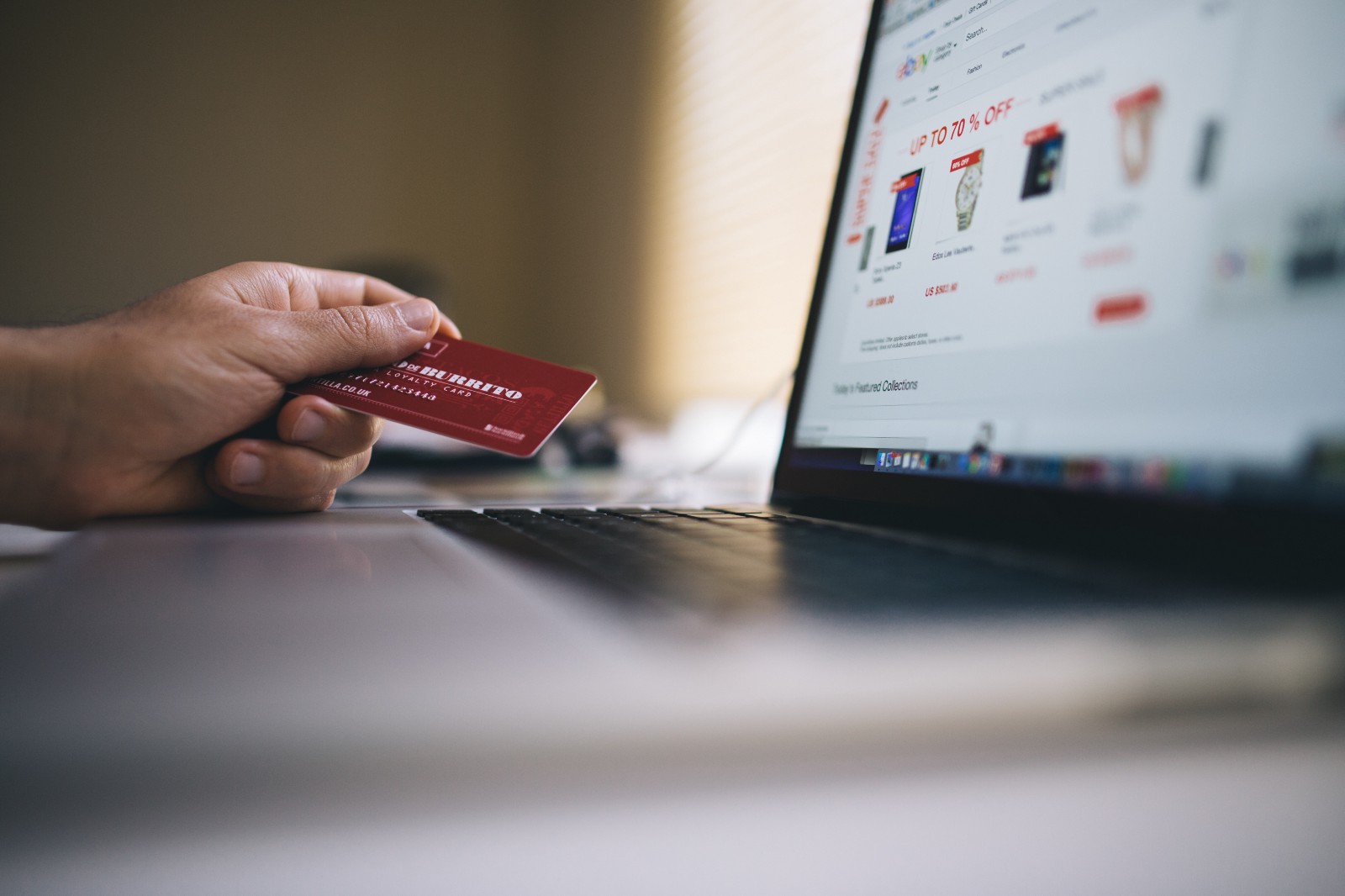
Payment processing is the system that allows customers to pay for goods or services online. Payment processors are companies that connect merchants and consumers, helping the latter through their online shopping experience by allowing them to pay for items directly on the merchant’s website.
The process can be broken down into three basic steps:
- The consumer visits your store’s website (or app) and adds items he wants to buy into his cart.
- Next, he chooses how he wants to pay–usually by choosing “checkout as guest” if he doesn’t have an account with your payment processor yet; otherwise, he’ll log in first before proceeding further with checkout steps like entering shipping information or creating a new password if necessary. After making those selections, you’ll see where it says “Payment Method,” where there will be options including credit card numbers or bank accounts along with other methods like PayPal if applicable (more about these later). Selecting one will take you through another screen showing all relevant details about each option so that no mistakes occur during processing time later on down line when someone tries purchasing something from us again but this time using another method than before due out mistake made earlier.”
Why you need payment processing.
In order to run an online business, you need to be able to accept payments. You can’t do it without payment processing.
Payment processing is the method of accepting credit card and other types of payments from customers all over the world. It’s also a way for your customers to pay with their bank accounts or Paypal account in their own currency–and get charged local rates instead of usurious foreign exchange fees if they’re not using USD as their base currency.
How to choose a merchant processor.
- How to find a good processor
- What to look for in a merchant processor
- How to compare processors
- How to get the best rates
- Avoid hidden fees. Make sure you know exactly what you will be paying for before signing on with any processor and that there are no hidden fees or charges. Many processors will charge extra money if you use their services for more than one year at a time, so make sure it’s worth it! If they don’t tell you about these things up front, run away as fast as possible!
How much does it cost to get set up as a merchant?
The cost of being a merchant will depend on what you are selling. There are many different options for payment processing, and you can pay for your merchant account monthly, quarterly, or annually. You will also need a payment gateway that allows customers to make purchases online through their bank accounts or credit cards. This gateway will have its own monthly fee associated with it as well.
What are the different types of payment processors, and what do they do?
- Payment processor: The company that processes payments.
- Payment gateway: A software or hardware device that accepts credit card information and forwards it to the payment processor.
What are the different types of payment gateways?
- Card processor: A card processor is the company that handles your credit card information and sends it to the bank. It’s similar to an accounting firm, but instead of managing your finances and taxes, they’re handling your payments.
- Merchant account: This is what you need if you want to accept credit cards as a business owner. It’s basically a bank account that allows companies like Amazon or Etsy (if you’re selling online) access to process payment information through their merchant accounts–and then deposit that money into the merchant’s personal checking account.
- Acquiring bank: The acquiring bank connects with merchants and provides them with access via terminal devices such as point-of-sale terminals at retail locations or mobile devices used by delivery drivers who take orders over phone calls or text messages.* Credit card processor: This term refers specifically to companies like PayPal who provide services like payment gateway solutions for businesses that don’t have their own merchant accounts yet–or simply want another way besides cash/check payments available in case those options aren’t available.* Payment gateway provider/PSP (Payment Service Provider): These are companies whose job it is connect merchants’ websites directly into banks so customers can make purchases online safely without ever having any sensitive information stored anywhere except on their own computers where no one else can see it except themselves!
How does PCI compliance work for online merchants?
PCI compliance is a set of standards that require merchants to protect customer data. You need to be PCI compliant if you store, process or transmit credit card information as part of your business.
The main goal of PCI standards is to ensure that companies take appropriate steps to protect consumer information like Social Security numbers, addresses and phone numbers–and it’s important for any business that handles this kind of data (which is most small businesses). The reason? A security breach can cost businesses millions in fines and legal fees–not to mention lost customers who may never trust them again!
Paying attention to these details will make sure your business is set up correctly and keeps your customers safe.
As you can see, PCI compliance is important for everyone! It’s not just about keeping your customers safe. It’s about keeping your business running smoothly and being able to accept payments from customers with peace of mind.
If you want to learn more about the ins and outs of PCI compliance, check out our article on What Is PCI Compliance?
Conclusion
Payment processing is an important part of any business, but it can be confusing for beginners. The information in this article should help you understand what payment processing is and how it works so that you can make sure your business is set up correctly and keeps customers safe. We hope you found these tips helpful!