
Why Business Continuity & Disaster Recovery Is So Important
Introduction
For most small businesses, losing their data would be catastrophic. But how do you know if you’re prepared for this kind of a disaster?
If you want to learn more about business continuity and disaster recovery, read on. I’ll walk you through the basics of these topics so that you can make an informed decision about your own company’s preparedness.
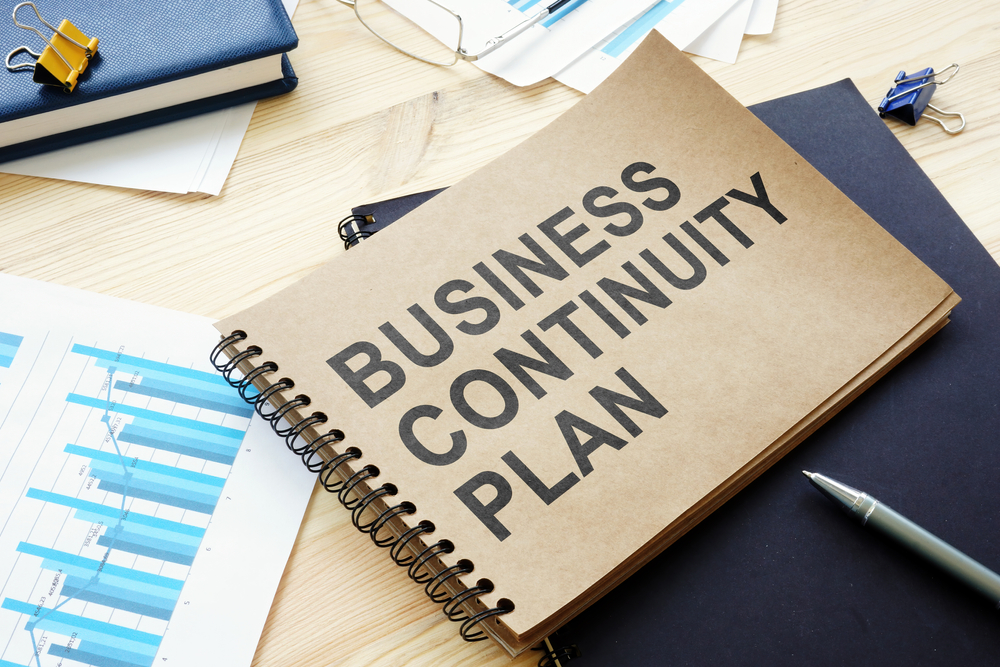
Data loss can be catastrophic to your business.
Data loss can be catastrophic to your business. It can lead to a loss of revenue, customers, reputation and even time.
In the last year alone:
- Over $1 billion was lost in the US alone due to data breaches (Source: IBM)
- The average cost of a data breach per organization is now over $3 million (Source: Ponemon Institute)
To determine how much you need to invest in business continuity, you first need to understand what it is and why it’s important.
Business continuity is a plan to keep your business running in the event of a disaster. It’s important because it helps you recover from disasters faster, which means you can get back to doing what you do best–running your company!
Business continuity planning involves creating an actionable plan that tells employees how they should respond when faced with a particular type of crisis. This could be anything from dealing with natural disasters like earthquakes or tornadoes, man-made crises like terrorist attacks or fires that threaten your data center, all the way down to more common problems like server failures or power outages.
The goal of business continuity planning is simple: keep as much of your operation running smoothly as possible without interruption until regular operations can resume after whatever caused them has passed (or been resolved).
In addition, consider these factors when evaluating your company’s preparedness practices:
In addition, consider these factors when evaluating your company’s preparedness practices:
- Business Continuity Plan (BCP). This is a document that details how an organization will recover from an outage or disaster scenario. It should include both short-term and long-term strategies for maintaining operations in the event of an outage or disaster. The BCP should be updated at least annually and reviewed by all key personnel within the company.
- Disaster Recovery Plan (DRP). This plan details how to restore critical systems after they have been damaged or destroyed by an incident such as fire or flood. The DRP should include procedures for restoring critical data from backups if applicable; however, it should also include alternative methods such as manually entering data into spreadsheets until IT staff can get back up again on their own without relying solely on technology solutions alone (after all, no one knows what may happen in life!).
Risk Management
Risk management is the process of identifying and analyzing possible risks, determining their likelihood and impact on your business, developing a plan to manage those risks and then monitoring the effectiveness of that plan.
When you think about risk management in terms of business continuity it’s important to understand that there are two types of threats: natural disasters (like earthquakes) as well as man-made threats (such as fire or theft). You can also categorize risk according to its source: environmental (weather), financial (defaulting customers), human (employee error), supply chain interruption etc.#ENDWRITE
Disaster Recovery Plan
A disaster recovery plan is a written document that describes how an organization will respond to a disaster. It includes plans for recovery of information systems and business processes. The plan also includes procedures for testing and evaluating the plan.
Business Continuity Plan (BCP)
A Business Continuity Plan (BCP) is a document that provides detailed information about how your organization will continue operations in the event of an emergency. It should include:
- A list of all critical systems, including their location and description.
- An assessment of risks to each system, including threats related to natural disasters, power outages and technical issues.
- Plans for dealing with these threats in order to minimize downtime or loss of data or assets. For example, if your primary office building is damaged by fire during a storm then you may need to use an alternate location as an interim headquarters until repairs can be made at the original site – this would be part time premises only rather than full time as normal activities would continue elsewhere until such time as they return permanently back home again (hopefully).
Backup Frequency & Retention Time
Backup frequency and retention time should be determined by the business needs. How often, how long to keep backups? This will be different for every company, depending on what data is being backed up and how critical that data seems to be. If you delete old backups without having a good recovery plan in place, it could become an issue if something goes wrong with your system later on.
Don’t get caught in the middle of a disaster if you can avoid it
You know how it goes. You’re busy working on a project, you get distracted by a phone call or email, and before you know it your computer has crashed.
Well, that’s not good! Your computer is an important tool for your job–it holds all of your files and information. If your hard drive were to crash right now, all of those files would be lost forever unless….you have backup copies stored somewhere else?
But what about when there isn’t time for backups? What if there’s some sort of disaster like an earthquake or fire at work? Are all those files in danger too? If so…how do we avoid getting caught in the middle of one ourselves?!
Conclusion
If you want to avoid the risks associated with data loss and business interruption, it’s important to have a business continuity plan in place. This can be done in a number of ways, including by keeping multiple copies of your data on different devices or in different locations so that even if one fails there will still be others available. It also means having backups that are regularly tested so they work when needed most–which means now!