
Resource Efficiency: The Key To Improved Marketing Outcomes
Introduction
A business’s resources include both human and material assets. The key to a successful marketing strategy is making sure you have the right amount of these resources, but not too much. This means your business needs to be efficient in its use of these resources in order to stay competitive. Resource efficiency is an important aspect of sustainability and an effective way for businesses of all sizes and stages to improve their marketing outcomes.
Sustainable business practices are key to a successful marketing strategy.
Sustainable business practices are good for the environment, the economy and the community. These types of initiatives also have proven benefits for companies and customers alike.
For example, sustainability initiatives can help reduce costs by reducing waste stream, improving energy efficiency and reducing greenhouse gas emissions. These actions can translate into reduced operating expenses over time while helping you meet regulatory requirements in areas like GHG reporting or other environmental regulations that may apply to your industry.
Additionally, sustainable marketing campaigns can help build brand loyalty by demonstrating how your company goes above-and-beyond when it comes to caring about its customers’ needs (or even those of society at large).
Resource efficiency is the key to sustainable business practices.
Resource efficiency is the key to sustainable business practices. It’s a key to business success, sustainability and profitability, as well as growth.
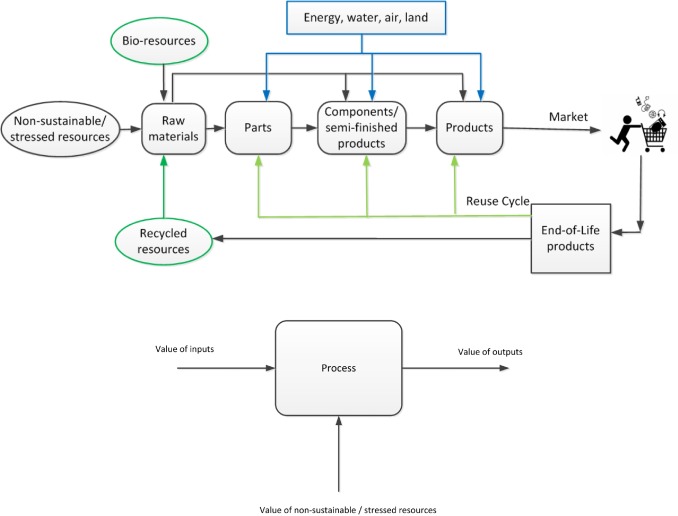
Resource efficiency refers to those processes and systems that enable an organization to maximize its use of materials and energy while reducing waste during production or consumption processes.
The benefits of resource efficiency are numerous and varied.
Resource efficiency is the key to a better marketing outcome. It can save you money, time and resources.
The benefits of resource efficiency are numerous and varied:
- Resource efficiency saves money. By reducing waste, you can reduce the cost of your products or services. For example, if you have an office in New York City with 10 employees who use paper towels every day at work but only need one sheet per person per day for cleaning purposes (and no one else uses them), then how much does it cost each month? If you multiply this by 12 months out of the year–and add up all those unused sheets–you’ll find that there’s probably quite a bit of money being wasted on something as simple as paper towels! In fact, if all businesses adopted this practice worldwide we’d save millions each year just from saving trees from deforestation alone!
Resource efficiency is a viable option for businesses of all sizes and stages.
Resource efficiency is a viable option for businesses of all sizes and stages. Smaller companies can benefit from resource efficiency by leveraging technology and processes that enable them to be more competitive, but many larger firms overlook this opportunity because they think it’s too complex or expensive.
However, there are many ways for companies at every level to improve their resource efficiency through better planning, improved production methods and smarter use of materials–all without having to invest in new technology or equipment upfront.
Using resources more efficiently helps your business stay competitive.
As you can see, resource efficiency is a win-win for your business. It helps you save money, reduce waste and be more sustainable. In addition to these benefits being good for the environment, they also make it easier for you to meet customer expectations. Customers want brands that care about their impact on the planet–and if yours doesn’t already have an established reputation as a leader in this area then there’s no better time than now for change!
If your company is ready to commit itself fully towards becoming more resource efficient then we recommend getting started with some basic steps like:
- Make sure all employees understand why reducing waste matters (and what “waste” even means). This will help ensure that everyone has the same understanding of how important it is for us all work together towards common goals like reducing our carbon footprint or water footprint.* Get rid of any old equipment at home so nothing gets thrown away unnecessarily.* Learn which types of materials need special attention when recycling them – such as electronics which contain lead batteries.* Take shorter showers instead of baths so less hot water goes down drains unnecessarily each day.* Recycle glass bottles instead using plastic bags because they weigh less than plastic ones do – thereby saving space inside garbage trucks during pickup days.”
Conclusion
In the end, resource efficiency is a win-win for businesses and consumers alike. The benefits are clear and plentiful, so there’s no reason not to make the switch.