
7 Steps in Automating Business Processes
Introduction
The world of process automation is changing rapidly. In fact, it’s in the midst of an explosion. Businesses are quickly realizing that they can not only improve their efficiency and reduce costs but also increase revenue by automating some or all of their business processes. This is no small feat—automation is a big undertaking that usually requires a lot of time, money and resources. However, if you’re prepared to take on this challenge and do it right, your business will reap the benefits for years to come!
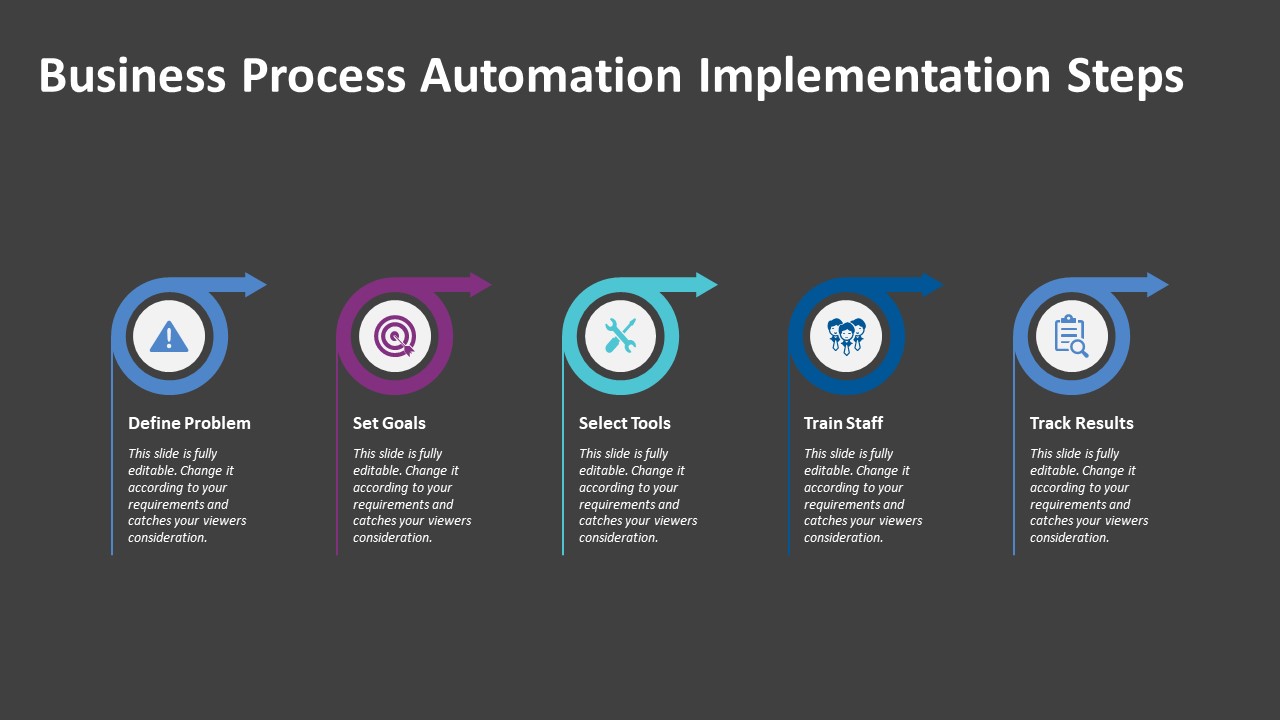
Step 1: Define the goal
First and foremost, it’s important to define the goal. Before you start on a solution, figure out what your end result is. This should be something that is measurable and achievable in a reasonable amount of time (3-6 months).
It’s also important not to worry about other people’s goals–you can’t control them anyway! Your goal should be ambitious yet realistic: if there are too many obstacles in your way or if achieving it seems impossible right now, it might not be worth pursuing this particular project right now.
Step 2: Identify current process gaps
Step 2: Identify current process gaps
Once you’ve identified the business goal that you want to achieve, and how it relates to your organization’s overall strategy, it’s time to take a closer look at the current state of affairs. What are the gaps in your current process? Where are there opportunities for improvement? How can you measure the current process so that you can identify these opportunities?
There are many different ways that companies go about identifying potential improvement areas within their business processes. One method is simply asking employees what they think needs improving–this can be effective if done properly (and not just during an annual employee feedback survey). Another approach involves creating a “business scorecard” where each department or functional area tracks its performance against key metrics over time; this will help highlight areas where improvements would lead directly toward meeting strategic objectives. Finally, some companies employ specialized software tools such as Lean Six Sigma or other statistical analysis software packages so they can perform more detailed analyses based on historical data sets collected from across multiple departments over long periods of time
Step 3: Evaluate options for automation
The third step is to evaluate options for automation. This is where you will be able to determine what type of solution best fits your business needs, and how much time and money it will take to implement that solution.
The first step in this process is understanding the current process, including who performs each task (and how), what tools they use, and why these tools are necessary. You should also take note of any pain points experienced by employees or consumers during this stage of the journey.
After understanding the current process, it’s time to identify goals for automation–what do you want your automated system/processes to accomplish? Make sure these goals are clear so everyone has a shared vision moving forward! Next comes identifying steps within each workflow: what steps from beginning-to-end does each customer go through? How long does each step take (e.,g., 30 seconds)? What information must be inputted into each application before proceeding onto another step (e.,g., name + address)? Once all this information has been gathered about each step within a given workflow(s), evaluate different options available for automating these steps based upon cost/benefit analysis as well as technical feasibility
Step 4: Create an automation roadmap and plan
Before you start creating your automation roadmap, it’s important to define the problem. You can’t solve a problem if you don’t know what it is.
Once you’ve defined your problems and goals, it’s time to figure out how much time and money is required for each step of the process. This will help keep things on track when things get busy!
Don’t worry about what other people think about how long something should take–just be ambitious with yourself and stay realistic at the same time!
Step 5: Implement scalable process automation solutions
Once you have identified the processes that need to be automated, it is time to choose a solution that will meet your needs. When selecting a business process automation platform, there are several things to consider:
- Scalable – Choose a solution that can grow with your business without being restrictive or prohibitively expensive.
- Flexible – Look for an all-in-one system that allows users to customize their experience without having to rely on third parties for support or customization services (which can add up quickly).
- Cost effective – Make sure you get what you pay for! Don’t be tempted by low-cost alternatives; instead, invest in products and services from reputable vendors who offer comprehensive support packages at reasonable prices rather than saving money now only to spend more later when something goes wrong with their product/service offering down the road due its lack of scalability.”
Step 6. Measuring the ROI of process automation programs
Your organization should not be measuring the success of process automation programs solely on ROI. While ROI is a good measure of the benefits of a project or initiative, it’s not the only one.
The benefits of your program can be measured in terms of time saved, cost savings, customer satisfaction and other factors that are important to your organization’s goals and objectives.
Step 7. Getting employees on board with your automation program
To make your automation program successful, you need to get employees on board. They’re the ones who will be using the new systems, after all.
To do this:
- Make sure they understand how it will benefit them and their jobs.
- Explain how they will be affected by the change (and what steps are being taken to help them).
- Involve them in decision making processes related to automation initiatives that affect their work and environment; if possible, let them help design or implement these initiatives as well!
Process automation is not just a technical exercise, but a strategic one that should be planned and implemented in the most effective way possible.
Process automation is not just a technical exercise, but a strategic one that should be planned and implemented in the most effective way possible. In order for process automation to be successful, you must define your goal before beginning any kind of project.
Identify current process gaps before you start working on automating them! Evaluate options for automation based on what you want to achieve as an organization or department within your company.
Conclusion
Process automation is one of the most powerful tools available to businesses today. It can help you save time and money, increase efficiency, reduce errors and improve customer satisfaction. But in order to reap these benefits, you must first understand what process automation is and how it works. Once you have a grasp on the basics, it’s time to start planning your own program!