
20 Easy Steps For Creating A Digital Product
Introduction
If you’re like me, you’ve probably dreamed of launching your own digital product or service. Maybe you want to sell something online or maybe you want to create an ebook or video course to help teach people how to do something specific. Whatever it is, creating a digital product can be quite rewarding both financially and personally.
In this article I’ll walk you through the process of creating your own digital product step-by-step so that you know exactly what needs to be done in order for it all work smoothly once completed. So let’s get started!
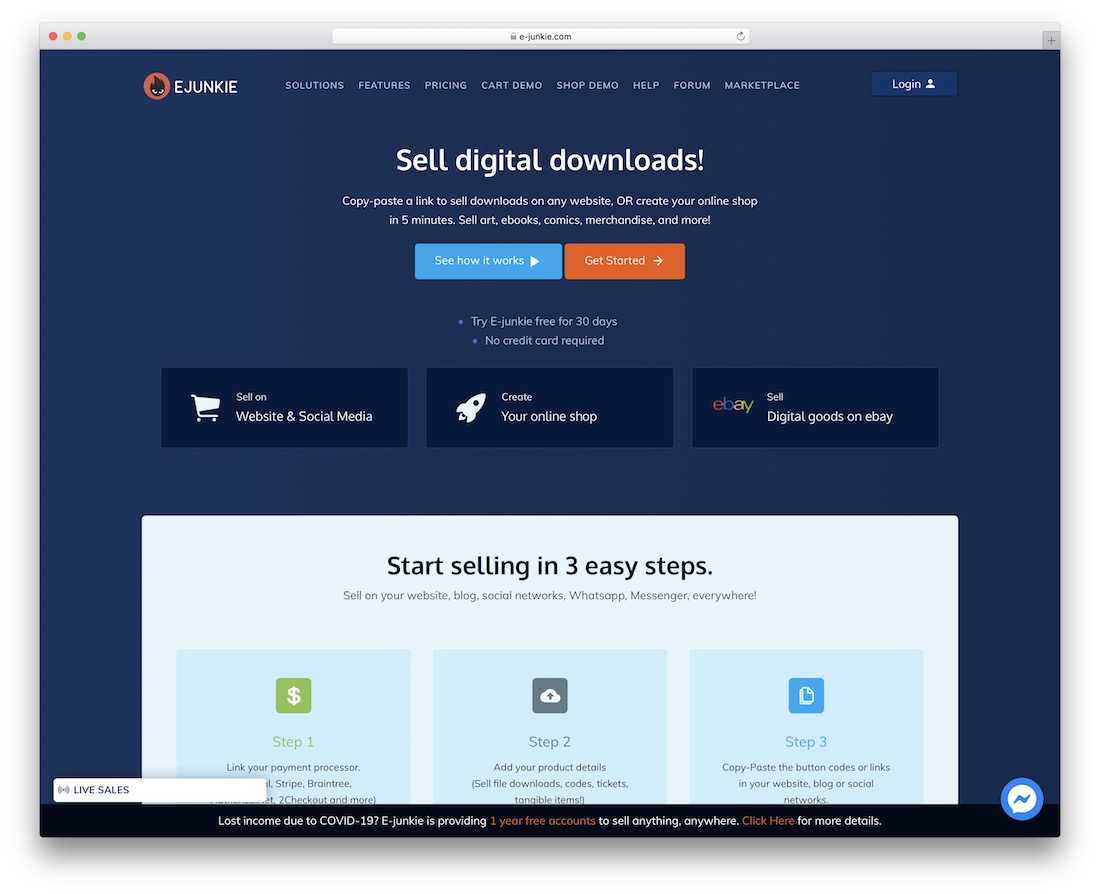
Step 1: Get clear on what your digital product is and what it will do.
- Get clear on what your digital product is and what it will do.
- Write a short paragraph describing your product.
- Describe what it does.
- Define the target audience, how it will be used, how much it costs and who will buy it.
Step 2: Decide how much work you want to do versus how much work you want to outsource.
Step 2: Decide how much work you want to do versus how much work you want to outsource.
If you’re an expert at graphic design, web development and marketing, then it makes sense for you to do as much of the product creation process as possible. However if these are not your core competencies, then I recommend hiring someone who can help with each step of the way instead of trying to learn everything by yourself.
Step 3: Write a short paragraph describing your product.
In this section, you’re going to write a short paragraph describing your product. This should be no more than two or three sentences and should include:
- How it works (the benefits)
- What problems it solves for users
- How it will make their lives easier/more productive/etc.
Step 4: Create an outline of the steps needed to create your product.
Step 4: Create an outline of the steps needed to create your product.
This is a very important step, as it helps you make sure you include all of the details needed for each step in creating your digital product. It also helps make sure that nothing is left out, which can happen when trying to create something new or unique. This includes any relevant information that will help with creating your digital product, such as links or images that might be useful in completing their task at hand (or whatever else they may need).
Step 5: Define all of the pieces that go into putting together your digital product.
Once you’ve got your product idea and know who will buy it, it’s time to figure out what goes into making that product. This is called the “workflow.”
The workflow is the steps in creating a digital product–from ideation all the way through delivery. In other words: how do you actually get something done?
To help guide this process, I’ve broken down each step into its own section so we can focus on one thing at a time.
Step 6: Gather all the information you’ll need in order to make your digital product successful.
The first step to creating a digital product is to gather all the information you’ll need in order to make your digital product successful. This includes:
- The type of information you need, such as demographics and interests.
- How much time it will take for you to gather this data from customers or potential buyers. * What kind of tools (e-mail lists, social media networks) are available for collecting this data from customers or potential buyers? * What will happen if there isn’t enough information on the subject matter at hand?
Step 7: Define who will use your digital product, what they’ll pay for it, and when they’ll use it. You can also include other important details like delivery time frame, item quality, etc., if relevant for your target audience and purpose of your digital product or service.
Define who will use your digital product, what they’ll pay for it, and when they’ll use it. You can also include other important details like delivery time frame, item quality, etc., if relevant for your target audience and purpose of your digital product or service.
This is the most important step because this defines what kind of people need your product/service and how much they’re willing to pay for it.
Step 8: Determine where you can advertise or market your digital product or service online through social media channels (Facebook Ads), blog posts, paid advertising or other paid marketing methods like PPC ads on Google Search or other search engines, YouTube videos and websites related to your target market’s interests or industry needs. This is where you’ll be able to generate traffic towards your digital product landing page, website or store front where they can purchase it once all questions have been answered.
In this step, you’ll be able to determine where you can advertise or market your digital product or service online through social media channels (Facebook Ads), blog posts, paid advertising or other paid marketing methods like PPC ads on Google Search or other search engines, YouTube videos and websites related to your target market’s interests or industry needs. This is where you’ll be able to generate traffic towards your digital product landing page, website or store front where they can purchase it once all questions have been answered.
- Social Media Channels: Facebook Ads are one of the best ways to get started with paid advertising because they’re easy-to-use and very affordable compared to Google AdWords campaigns which require more experience in order for them not only work but also convert visitors into customers at a higher rate than just using organic posts on their newsfeeds like Instagram Stories!
- Blog Posts: Blogging is another great way for generating traffic because it allows people within your niche community read about what others have done before them when creating something new from scratch without having any prior knowledge whatsoever; which means that readers will trust whatever information provided by these bloggers because they know nothing about creating digital products either! They may even share/like some articles too based off curiosity alone.”
Conclusion
There are many different ways to create a digital product. Some people prefer to do everything themselves and others like me prefer outsourcing all or some of the work needed for creating an ebook, audiobook or video course. The important thing is not what method you choose but instead making sure that whatever method(s) work best for your situation and lifestyle so that you can maximize time spent on doing what matters most: creating amazing content for your audience!