
10 Tips For Strategic Analysis & Personalization In Your Web Design
Introduction
When it comes to web design, personalization is the buzzword du jour. But when you’re a business owner or marketer, the idea of creating a personalized experience for every single user on your site can seem overwhelming. Don’t worry! You don’t need advanced degrees in statistics or machine learning to get started with personalization. The tips below will help you take the first steps towards creating a more engaging and rewarding user experience for everyone who visits your site.
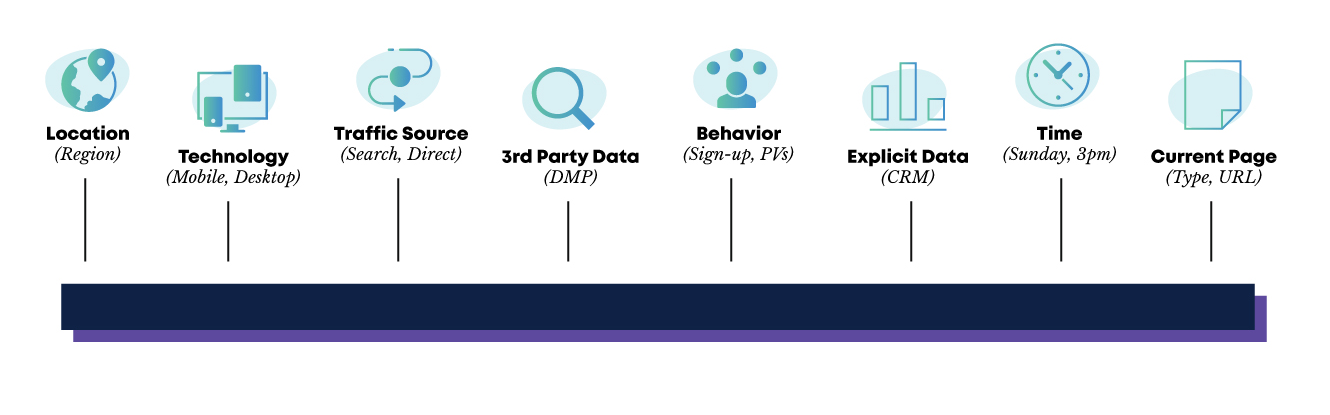
1. Customize the landing page for each user
- Customize the landing page for each user
A landing page is the first thing you see when you visit a website and, as such, it’s one of the most important elements of your design. A well-designed landing page can help boost conversions by making it easier for users to find what they’re looking for on your site and encouraging them to take action once they’ve arrived there.
A great way to use this tool is by customizing it based on who’s visiting: different personas might have different needs or interests that should be reflected in their experience with this particular piece of content–so take advantage!
2. Create a conversion funnel
A conversion funnel is a visual representation of the steps in a customer’s journey. It helps you to understand where your users are dropping off and how to improve the experience for them.
This can be done by creating an infographic with icons representing each step, or by creating a table that lists each step with its corresponding metrics (such as pageviews, bounce rate).
Once you have defined your conversion funnel, use analytics data from Google Analytics or another tool to see where there are opportunities for improvement.
3. Personalize product detail pages
- Personalize the product detail page. The first thing your visitors see when visiting a product detail page is that big “add to cart” button, but you should also be thinking about how else you can make this experience more personalized for them.
- Use product recommendations and customer reviews. Product recommendations are an excellent way to increase conversions because they give customers ideas about what else they might like based on their purchase history or other similar products in your store. When writing reviews yourself, try asking questions about why someone chose one product over another–and then share those answers with other shoppers on social media!
- Use videos and images of products in action (or talking heads). Video marketing has become increasingly popular lately because it allows businesses like yours accessibly share their expertise or unique perspective with potential customers who may not know much about what makes them special in comparison with competitors out there vying for attention during busy times like Black Friday promotions or Cyber Monday deals happening right now!
4. Use live chat to provide personalized customer service
Live chat is a great way to provide personalized customer service. When you’re using live chat, you can answer questions and resolve problems in real time. You can also help customers find what they are looking for, make purchases and provide product recommendations if needed. It’s a great tool that is used by many companies today because it allows them to maintain their website at peak performance levels while providing excellent customer experiences throughout the process.
5. Emphasize user reviews on your site
- Emphasize user reviews on your site.
- Customers trust other customers, and reviews are a great source of information for understanding what your customers want. Reviews can help you improve the customer experience by identifying pain points, as well as areas where you’re doing well and should continue doing so. Make sure that you have enough positive reviews to offset any negative ones (or at least make them neutral), since some people may be put off by seeing only negative feedback in their search results.
6. Use personalization to engage shoppers throughout their shopping experience
Personalization can be used to engage shoppers throughout their shopping experience.
- During checkout, personalize the messaging and offers that appear on your site for each customer. This will help you increase conversion rates by showing them what they want to see at exactly the right time.
- After checkout, continue engaging with customers by sending them relevant emails based on previous purchases or interests (and don’t forget the importance of follow-up emails!). These messages should include things like new products in their favorite categories, recommendations based on past purchases or interests, and even special discounts just for them! You can also use data from cookies and other tracking methods to target people who have visited but haven’t yet converted into paying customers with specific campaigns designed just for them (e.g., “We noticed you’ve been looking around our site–why don’t we send over some information about our newest collection?”).
7. Ask for feedback at every step along the way
- Ask for feedback at every step along the way
It’s important to make it easy for your customers to give you feedback, and this should be done at every step along the way. You can do this by using a feedback form on your website or through email marketing campaigns. By asking them what they like about your site and what they would change, you’ll get an idea of how effective your design is at meeting their needs–and where there might be room for improvement!
The great thing about getting customer input early in the process is that it allows you time to implement changes before launching into production mode or finalizing any major decisions about things like layout and copywriting. That way, when all is said and done (and everything looks exactly how it should), people will still appreciate seeing something familiar but improved upon from what they saw during their earlier visits as well as being able to recognize themselves reflected back at them through personalized content
8. Treat your social media like customer service channels and offer reviews of your products and answers to questions in real time
Social media is a great place for you to engage with customers, answer questions and give them a voice. It’s also a place where you can get real-time feedback on products and services. If someone posts about a problem with your product or service, it’s important that you respond quickly – even if it’s just to say that you’ll look into it and get back to them later.
If someone asks about something relating directly to your brand or company, try responding publicly instead of privately so other people can see that response too! This will help build trust between yourself as an organization and those following along on social media platforms like Twitter or Facebook (or both).
9. Focus on what customers want, not what you think they want, when it comes to search engine results pages (SERPs) strategy, promotions and product offers
There are a lot of things you can do to make sure that your customers are happy. But the most important thing is to focus on what they want, not what you think they want.
If you are going to be strategic about anything, it should be in this area: focus on what will make your customers happy and help them grow their businesses.
With careful consideration and analysis of your customer data, you can provide a personalized experience that will increase sales!
You can use customer data to create a personalized experience that is more likely to convert visitors into customers. Customers are more likely to buy from you if they feel like they are getting a personalized experience, and this will increase your sales!
A study by Monetate found that 46{b863a6bd8bb7bf417a957882dff2e3099fc2d2367da3e445e0ec93769bd9401c} of consumers prefer websites with personalization features over those without them. That’s why we’re going to discuss how you can use customer data in your web design strategy, so that your customers see what they want when they come onto your website–and hopefully make a purchase!
Conclusion
By studying the behavior of your customers and using the insights you gain from that analysis to inform your web design, you can create a more personalized experience for them. This will lead to an increase in sales and customer satisfaction, which is what every business wants!