
Disaster Recovery and Business Continuity Planning
Introduction
When disaster strikes, it’s important that you have a plan in place to get back up and running as quickly as possible. The more prepared you are for a disaster, the less likely your business will be affected by it. That’s why we’ve put together this guide on disaster recovery and business continuity planning. It focuses on key concepts like risk analysis, third party vendors and testing your plan—everything you need to know about DR/BCP before an emergency occurs.
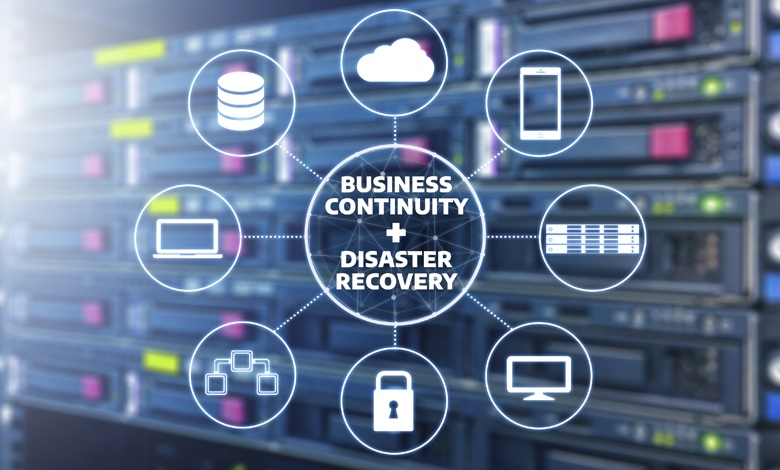
What is Disaster Recovery and Business Continuity Planning?
Disaster recovery and business continuity planning (DR/BCP) is a process that ensures your organization can recover from a disruption to normal operations. It includes procedures and policies to help you recover from an interruption of normal business activities.
Disaster recovery plans include plans, processes and procedures that enable the organization to recover from an interruption in normal business activities. A typical scenario for this type of plan would be a fire at company headquarters or some other physical damage to its infrastructure such as power lines being cut off by an ice storm during winter months when temperatures drop below freezing levels causing pipes bursting under pressure due high water levels inside them causing flooding inside buildings etc…
Why is Disaster Recovery and Business Continuity Planning Important?
Why is Disaster Recovery and Business Continuity Planning Important?
In today’s world, it is important to have a plan in place to deal with disasters. Whether caused by natural or man-made events, you need to know how best to deal with these situations. The same goes for the aftermath of these disasters; if your business has been affected by an event such as fire or flood then you will want to be able to get back up on your feet as soon as possible so that you can continue running smoothly again.
Key Components of a DR/BCP Plan
- Planning. This is the first step in developing a DR/BCP plan, and it includes determining what equipment and resources are needed to support your organization’s recovery efforts.
- Testing. Once you have identified all the necessary components of your business continuity plan, it is important that they are tested periodically so that they can be validated as effective in case of an actual disaster or emergency situation.
- Communication: Communication plays an important role throughout the entire process of developing and implementing a DR/BCP plan because it helps ensure that everyone involved understands their roles and responsibilities during both normal operations as well as when faced with an emergency situation (i.e., during recovery).
Not only does communication provide clarity about who needs to do what during each phase of development and implementation, but it also enables all parties involved–including those who may be evacuated from their homes due to flooding or other natural disasters–to know where they should go for shelter once their homes become uninhabitable due to flooding waters rising above safe levels.* Implementation: Once communication has been established among all parties involved (both internally within your company as well as externally), then implementing measures outlined within this document becomes necessary before any type
Risk Analysis
Risk Analysis is the process of identifying, analyzing and prioritizing risks to your business. It’s important to know what could go wrong before you can plan how to deal with it.
The first step in risk analysis is identifying all possible risks that could impact your organization. These include:
- Natural disasters (floods, hurricanes)
- Manmade disasters (explosions)
- Physical threats (robberies)
Incorporating Third Party Vendors into Your DR/BCP Plan
Incorporating third party vendors into your DR/BCP plan is a critical component to ensuring success. Third parties can be a source of risk, but they also offer significant value and access to resources that your company may not have on its own. This is why it’s important that you include them in the planning process, testing and ultimately in your DR/BCP plan itself.
If you have an IT provider or cloud service provider (CSP), for example, this will be an important relationship for both parties involved: for you because it provides access and support for critical systems; for them because they need you as a customer so they can stay in business! If something happens at their end – whether it’s through no fault of either party – then both organizations will suffer from lost productivity until things get back up again (if ever).
Test the Plan Regularly
You should test the plan at least once a year, but preferably more often. A good time to do this is during a period of low activity or when you’re not under pressure to perform any specific tasks. You can also test the plan with different scenarios and levels of personnel, technology and equipment.
A robust disaster recovery and business continuity plan is essential.
A robust disaster recovery and business continuity plan is essential. While the best-laid plans can’t prevent disasters from happening, they can help you get back up and running quickly after one does.
The first step to creating a good DR/BCP plan is to understand what kind of data you have, where it’s stored and how much of it is critical to your business operations. Risk analysis is also important–you need to know what risks are out there so that when they happen (or even before!), you’re prepared with contingency plans in place.
Once those steps are finished, it’s time for testing! You don’t want any surprises when something goes wrong; testing should be part of every phase of the process so that everyone knows exactly what steps need taking if something goes wrong at any point during normal operations or after an emergency situation arises.”
Conclusion
Disaster recovery and business continuity planning is an essential part of any company’s operations. It’s important to remember that disaster can strike at any time, and it’s up to you as a business owner or manager to make sure that your employees are protected from harm. Remember that your plan should be tested regularly in order for it to work when needed most!